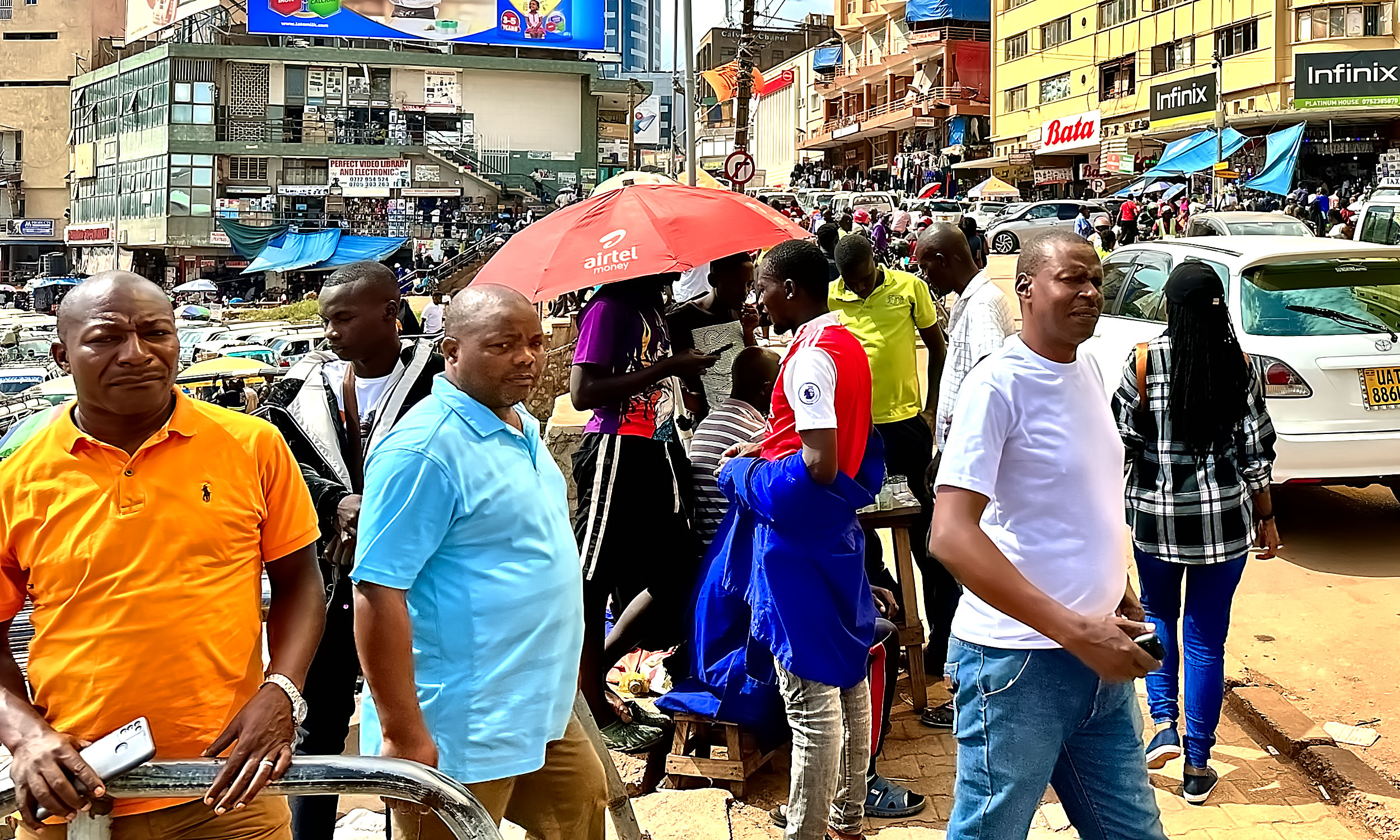

From Kampala’s buzzing boda-bodas to the stillness of Queen Elizabeth’s savannah, Uganda rewards the mindful traveler. Stay alert, respect local rhythms, and you’ll experience a journey that’s safe, grounded, and rich in unforgettable encounters.
Uganda hums with rhythm – from city markets to forest trails. Travelers set out here not just for scenery but for moments that stick. With so many new impressions and amazing moments to experience, make sure you stay vigilant and safe. Let’s look at real practices, local insight, and smart prep to make your journey smooth, grounded, and safe.
“Ugandans take security seriously.
Armed rangers everywhere. No threats.”
Look After Your Valuables
Ugandans share a simple truth: ten euros can mean a lot here. Street crime rarely gets violent but thrives where valuables flash. Keep your phone and wallet close, ideally in a zipped pocket or small crossbody bag. Tuck your bag in front of you in crowds. Skip flashy jewelry.
In Kampala, in busy markets or night bazaars, keep both hands on your bag. Of course you’re carrying value – but handled simply, things stay peaceful.
Avoid or Stay Careful Around the Upcoming Elections
Uganda has maintained political stability for over a decade. However, the upcoming elections in February 2026 have raised concerns among locals. While there have been no major disruptions recently, it’s advisable for travelers to stay informed about the political climate as the election period approaches.
The 2021 general elections in Uganda were marked by significant unrest. Opposition leader Bobi Wine alleged widespread electoral fraud, leading to protests and clashes with security forces. The government’s response included internet shutdowns and the detention of opposition figures. These events highlighted the potential for political tensions during election periods.
Travelers planning to visit Uganda in the months around the 2026 election period should exercise caution. It would be better to visit Uganda before mid January or after mid March in that year.
It’s recommended to:
- Avoid Political Gatherings: Steer clear of rallies, protests, or any large public gatherings.
- Stay Informed: Regularly check local news and government advisories for updates on the political situation.
- Plan Travel Wisely: If possible, schedule visits outside the election period to minimize potential disruptions.
Uganda stands stable. Politically, it’s held steady for over ten years. Still, 2026 brings elections. Locals whisper concerns, so consider travel timing carefully. As of now, no disruptions. But stay alert to local news and advisories as that year’s date approaches.
Keep An Eye on the Situation at the Borders
Uganda borders the Democratic Republic of Kongo (DRC) and South Sudan. Instability across borders doesn’t spill over, but caution remains wise near western parks. Queen Elizabeth National Park and areas southwest of Kasese are close enough to warrant awareness. Current guidance recommends checking updates – especially near Kasese and Semliki National Park. Bwindi and Murchison Falls remain calmer, but vigilance belongs in every itinerary.
Move with Caution After Dark
Once dusk sets, choose wisely. Avoid walking alone in the night.
- Travel with someone you trust whenever possible; even a short walk alone in a quiet or poorly lit area increases risk.
- Stick to well-lit streets, busy areas, and routes you know.
- Use hotel-arranged taxis or reliable ride-share services even for short distances rather than flagging down unknown vehicles.
- If you’re driving, keep your doors locked and windows up, even for short distances.
- Stay aware of your surroundings at all times: avoid distractions like loud music or phone use that can make you an easy target.
Planning your route in advance, knowing where you’re going, and keeping valuables out of sight all add extra layers of security for a smooth, stress-free evening.
Be Aware at All Times: Safety Starts With You
Your awareness is your first safety tool. Dress modestly. Learn bits of local culture – simple greetings in Luganda, recognizing courtesy norms. Ask before taking photos, especially in rural or cultural settings.
Need to travel between places? Hire a guide or driver who knows the road and the people. Follow their advice: locals understand crossing points, areas to pause, even where kids play near roads.
In parks, listen to your guide and rangers. When game drives begin, you follow their lead and that follows park rules: stay in your vehicle, don’t feed wildlife, open windows as they instruct.
Traffic – Follow the Rules Even if Others Don’t
Uganda’s traffic seems free-flowing – insist on rules. Drive on the left, and follow speed limits: 50 km/h in settlements, 80 km/h on main roads, and 40 km/h in parks.
Uganda has introduced a new, digital fining system for traffic violations, that will simply send any fine to the car’s registered owner – so every road camera (especially on urban main roads) or traffic police control point is a potential check. Note that as of this writing the new system is offline due to its enormous success and big protests as a consequence.
Carry your license, insurance documents (normally a yellow sticker in the window – make sure it’s valid before driving), and car service card (a red and yellow slip noting when the last service was done, and when the next service is due).
Drivers from the UK or EU can use their license up to 90 days post-arrival. If you’re staying longer, you’ll need the international drivers’ license, which you can request in your country of origin.
If stopped by traffic police, stay calm, show the requested documents, smile and be friendly. A hearty “Good morning, sir” carries a long way. Often the officers are just curious about a muzungu driving – especially in less touristy areas – and want a little chat. I’ve had only good experiences with traffic police so far.
Signaling and yielding helps everyone – even when others drive erratically. Wear a seatbelt at all times, even when moving slowly.
Many cars don’t meet European safety standards: better to be cautious.
Watch out for boda bodas, crossing animals, potholes. Before night travel, check lights, tires, brakes. Avoid traveling in the night when possible. Ugandan roads wear fast, and while your rental might not be a luxury vehicle, preparedness matters.
Respect Uganda’s Laws & Cultural Sensitivities
LGBTQ+ travelers should be especially cautious in Uganda, where laws criminalize same-sex relationships and public displays of affection can attract hostility or legal consequences.
To stay safe, maintain a low profile in public and social settings, avoiding any behavior that could draw unwanted attention. Exercise discretion in conversations and interactions, especially with people you do not know well. Ensure all travel documents, including passports and visas, match your legal identity.
Camouflage clothing is a no-go: military and police only. In religious or rural areas, dress modestly. And always ask before photographing individuals or their homes. It builds trust.
If Something Goes Wrong
- Lost Documents: Report to local police; contact your embassy right away.
- Medical issue: Use ambulance services or private clinics; have your insurance ready.
- Robbery or threats: Call police immediately. If needed, your embassy can assist with replacement documents or evacuation.
- Guide or safari issue: Contact your operator and tourism board. A reputable guide is your ally.
Hospital & Emergency Contacts You Can Use
Here’s a curated list of essential numbers you should store:
Emergency Numbers (24/7):
- Police: 999 or 112 (toll-free)
- Fire / Rescue: 112 or 100
- Ambulance: 911
Other Useful Contacts:
- Uganda Ambulance Services: +256 782 556878
- Fire Brigade: +256 414 421222 or 112
- Automobile Association of Uganda (roadside help): +256 414 250745
- Uganda Wildlife Authority (for park emergencies): +256 414 355000
Medical Facilities in Kampala:
- International Hospital Kampala: +256 312 200400
- Nakasero Hospital: +256 414 346150
It’s wise to carry basic first-aid, travel insurance with evacuation, and know which hospital you’ll use near each park.
Register Your Travel with Your Embassy or Foreign Office
Registering keeps you informed and connected if things change. Sign up before travel using your country’s program!
Registration gets you emergency updates, travel notices, or help if needed.
Embassy & Consular Contacts in Kampala
| Country | Address | Phone & eMail | Website |
|---|---|---|---|
| Belgium Embassy | Wing B 6th floor, Rwenzori Towers Nakasero Road plot 6, Nakasero, Kampala | +256 (0) 414 349 570 +256 (0) 414 349 559 +256 (0) 414 349 569 emergency: +256 (0) 780 517 155 [email protected] | uganda.diplomatie.belgium.be/en |
| France Embassy | 16 Lumumba Avenue Nakasero, Kampala | +256 (0) 205 479 888 +256 (0) 414 304 500 [email protected] | www.ambafrance.ug.or |
| Germany Embassy | 15 Philip Road Kololo, Kampala. | +256 (0) 312 191 100 +256 (0) 414 501 111 emergency: +256 (0) 772 763 000 | www.kampala.diplo.de |
| Ireland Embassy | 18B Akii-Bua Road Nakasero, Kampala | +256 417 713 000 emergency: +353 1 408 2000 | www.ireland.ie/en/uganda/kampala/ |
| Italy Embassy | Plot n.11, Lourdel Road Nakasero, Kampala | +256 312 188 000 emergency: + 256 772 750 448 or +39 06 3691 1 [email protected] | https://ambkampala.esteri.it/it/ |
| Netherlands | 6th Floor, DFCU Towers 26 Kyadondo Road Nakasero, Kampala | +256 200 346 000 | www.netherlandsworldwide.nl/contact/embassies-consulates-general/uganda/embassy-kampala |
| Spain Honorary Consulate | 27, Baskerville Avenue. Kololo, Kampala | +256 (0) 414 342 372 emergency: +256 (0) 752 696 500 [email protected] | exteriores.gob.es/Embajadas/nairobi/es/Embajada/tambien-somos-tu-embajada-en/Paginas/Uganda.aspx |
| Sweden | 24, Lumumba Avenue Nakasero, Kampala | +256 417 700 800 [email protected] | www.swedenabroad.se/sv/utlandsmyndigheter/uganda-kampala/ |
| Switzerland Consulate | Karuna Studios Plot 3 b, Saddler way Naguru, Kampala | +256 778 983 755 [email protected] [email protected] | www.eda.admin.ch/nairobi |
| United Kingdom High Commission | 4 Windsor Loop Kololo, Kampala | https://www.contact.service.csd.fcdo.gov.uk/home | www.gov.uk/world/organisations/british-high-commission-kampala |
These embassies help with emergencies, lost documents, or legal guidance.