
heartbeat of uganda
Nile Rapids, Mountain Peaks & Adrenaline Thrills
Push Your Limits With an Adventure
Uganda turns travelers into adventurers: rafting the Nile’s rapids, kayaking misty lakes, or summiting wild peaks. Here, every challenge is authentic, woven into nature and history, leaving you with stories too extraordinary to sound real.
Your boots crunch on volcanic soil as dawn breaks over the Rwenzori glaciers. Somewhere behind you, the Nile thunders through gorges carved by millennia. Ahead, mist-shrouded peaks pierce clouds like ancient spears thrust skyward. This is Uganda – raw, untamed, magnificent. Here, adventure strips away everything you thought you knew about your own limits.
Whether you’re drawn to the wild whirl of white water, the vertical challenges of Africa’s most dramatic peaks, or the quiet intensity of wildlife encounters on horseback, Uganda offers experiences that will fundamentally change how you define adventure.
This is where ordinary people discover they’re capable of extraordinary things.
When the Nile Becomes Your Teacher
White Water Rafting – Jinja
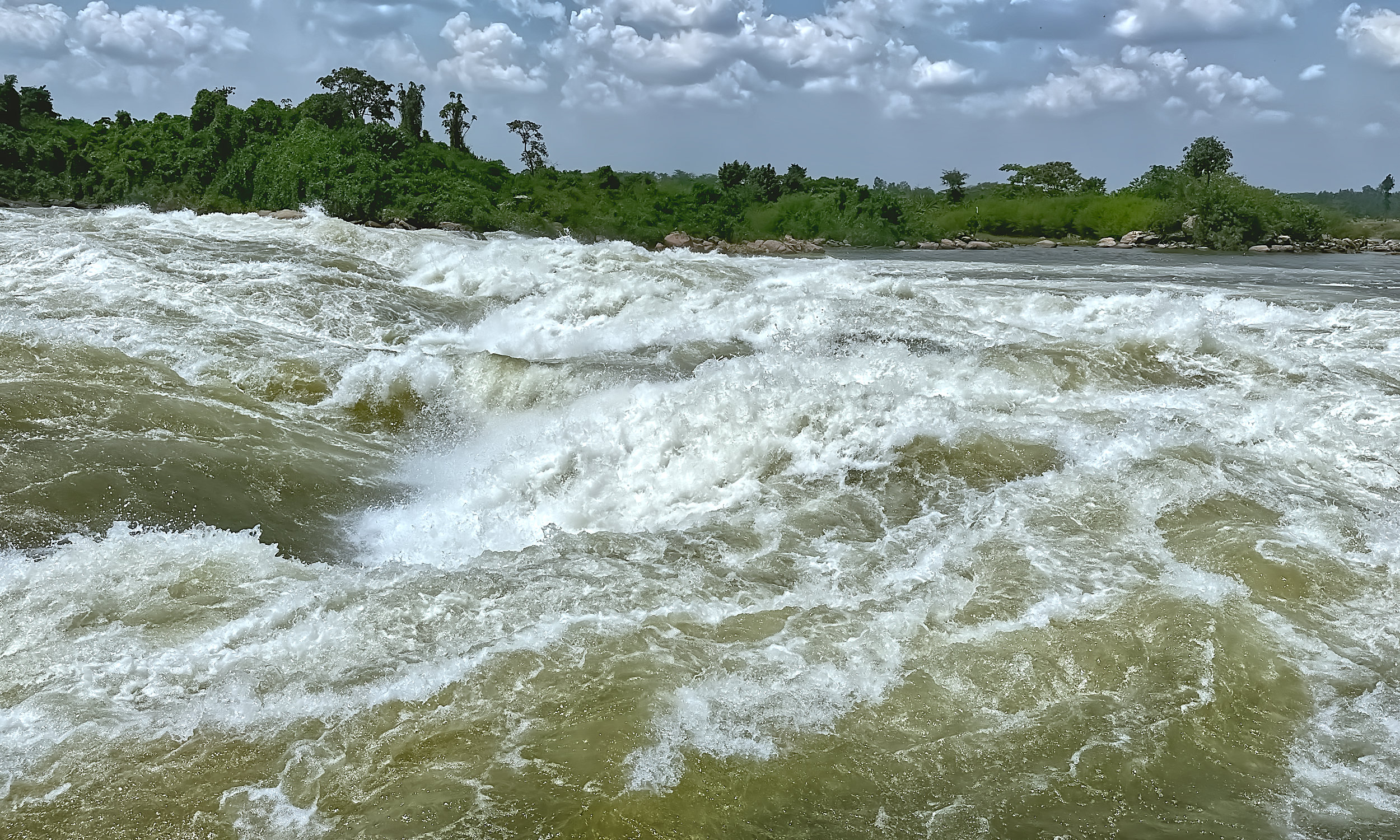
The raft bounces like a cork in a hurricane. Grade five rapids don’t negotiate – they command, and you obey or swim. Your guide’s voice cuts through the thunder: “Forward paddle! NOW!” Eight strangers become a single organism, fighting liquid mountains that could swallow trucks whole. The Nile here isn’t the gentle giant you’ve seen in documentaries; it’s a writhing serpent of foam and fury that tests every muscle, every instinct.
When you finally beach on quiet water, gasping and soaked to your soul, you realize something fundamental has shifted. The river has measured you and found you worthy. Local communities have built their entire economy around this liquid gold, training guides whose fathers navigated these same waters in dugout canoes. Your adventure feeds their children, funds their schools, preserves their connection to the river that defines their existence.
Best Time To Go
March-May and September-November when water levels create perfect rapids
Getting There
80km from Kampala via Jinja Highway, well-marked road signs throughout
Nearby Highlights
Source of the Nile gardens, Itanda Falls viewpoint, Mabira Forest Reserve
Duration
Full day including safety briefing, lunch on riverbank, and celebration beer
The Earth Falls Away Beneath You
Bungee Jumping – Source of the Nile
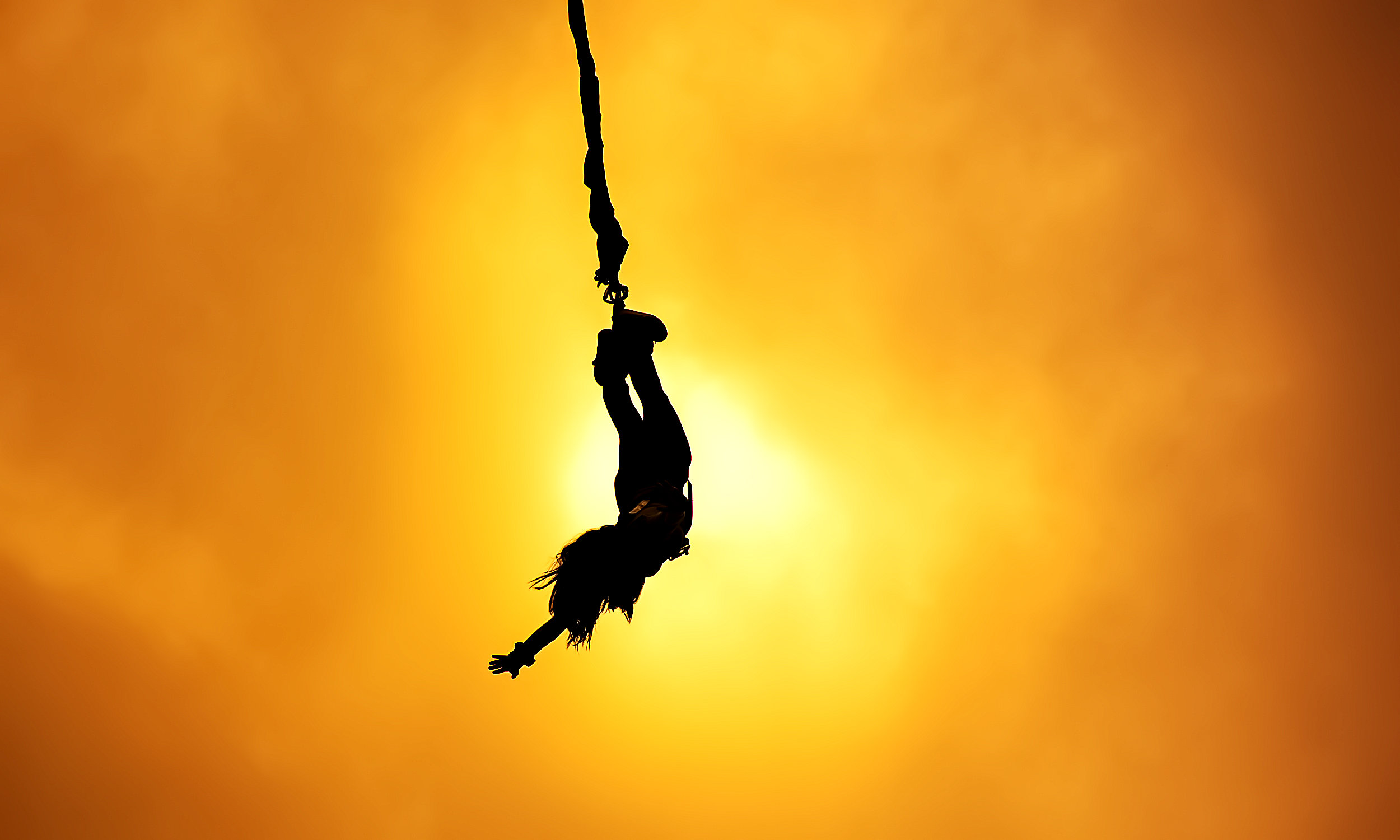
Forty-four meters above the world’s longest river, your toes curl over the platform edge. The Nile stretches below like a liquid highway to forever. Three seconds of freefall separate who you were from who you’re about to become. The countdown begins – three, two, one – and suddenly you’re not falling, you’re flying into the birthplace of legends.
Gravity claims you for an eternal heartbeat before the cord snaps taut, bouncing you like a yo-yo above waters that have witnessed pharaohs and explorers, kingdoms rise and fall. You dangle there, blood rushing to your head, watching the Nile flow beneath you with new eyes. Local jumpmasters, trained to international standards, beam with pride as they haul you back up. Their families have worked these waters for generations, first as fishermen, now as guardians of adrenaline seekers from around the world.
Best Time To Go
Year-round operation, clearest views December through February
Getting There
80km from Kampala to Jinja, jump site clearly signposted from town center
Nearby Highlights
Source of the Nile gardens, Itanda Falls viewpoint, Mabira Forest Reserve
Duration
2-3 hours including harness fitting, photos, and recovery time
Riding with Zebras
Horseback Safaris – Lake Mburo National Park
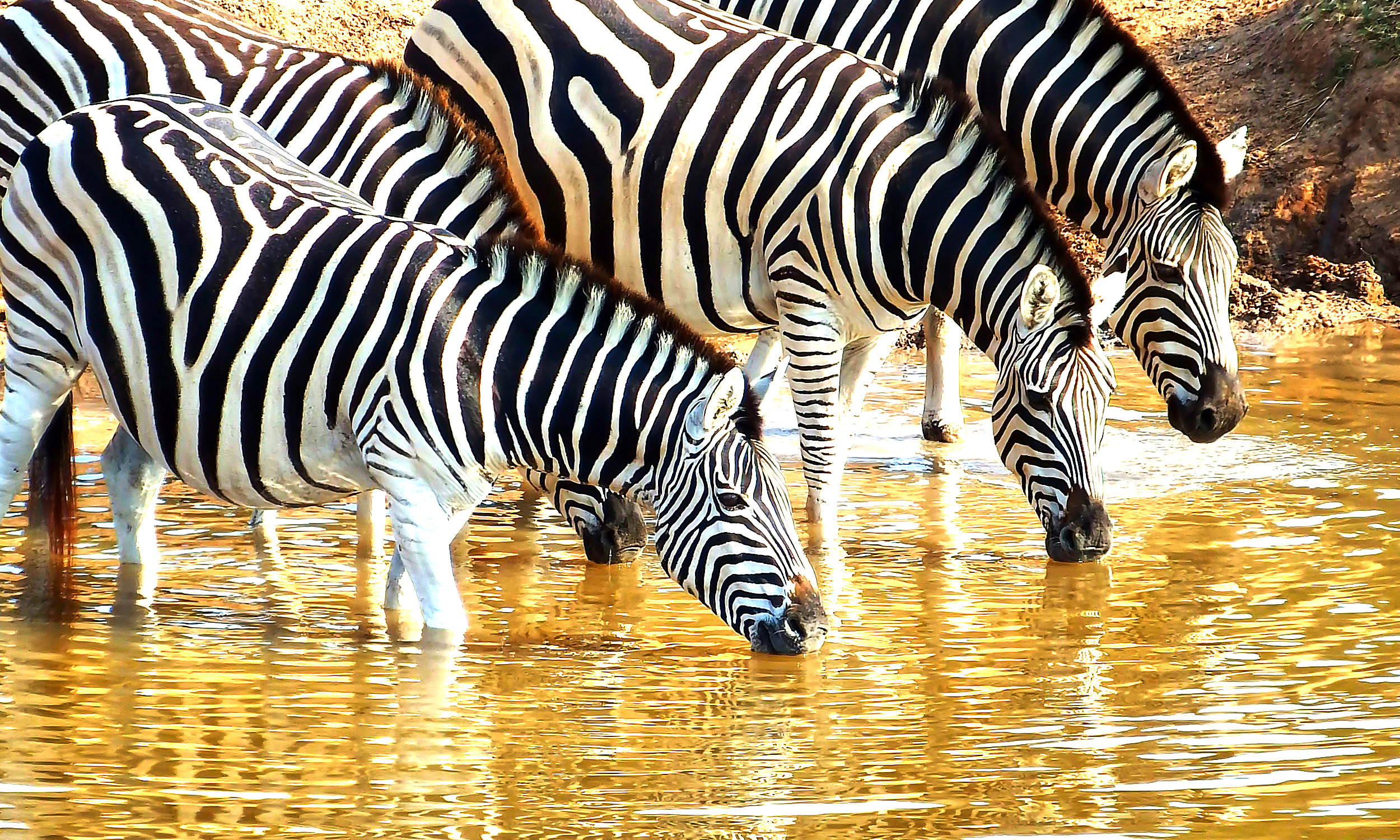
Your mount’s ears prick forward as a zebra herd lifts their heads in perfect synchronization. No engine noise, no glass barriers – just you, your horse, and the ancient dance of predator awareness that has played out on these plains for millions of years. Lake Mburo’s rolling savannah unfolds beneath you like a living map where every acacia tells a story, every termite mound marks territory disputed by countless generations of wildlife.
Your Ankole guide speaks to the horses in whispered Runyankole, the same language his grandfather used to calm cattle during lion encounters. Buffalo watch your approach with calculations behind their dark eyes while impala bound away in choreographed leaps that would shame ballet dancers. This isn’t tourism – it’s pilgrimage on horseback through landscapes where every hoofbeat supports conservation efforts that protect both wildlife and the pastoral communities who’ve shared this land with game animals since memory began.
Best Time To Go
June-August and December-February for optimal riding conditions
Getting There
240km from Kampala via Masaka-Mbarara highway, park gates well-marked
Nearby Highlights
Traditional Ankole cattle ranches, Rwonyo peninsula game drives, salt lick viewpoints
Duration
Half-day (4 hours) or full-day expeditions with bush lunch
Where Angels Fear to Tread
Mount Rwenzori Expedition – Margherita Peak
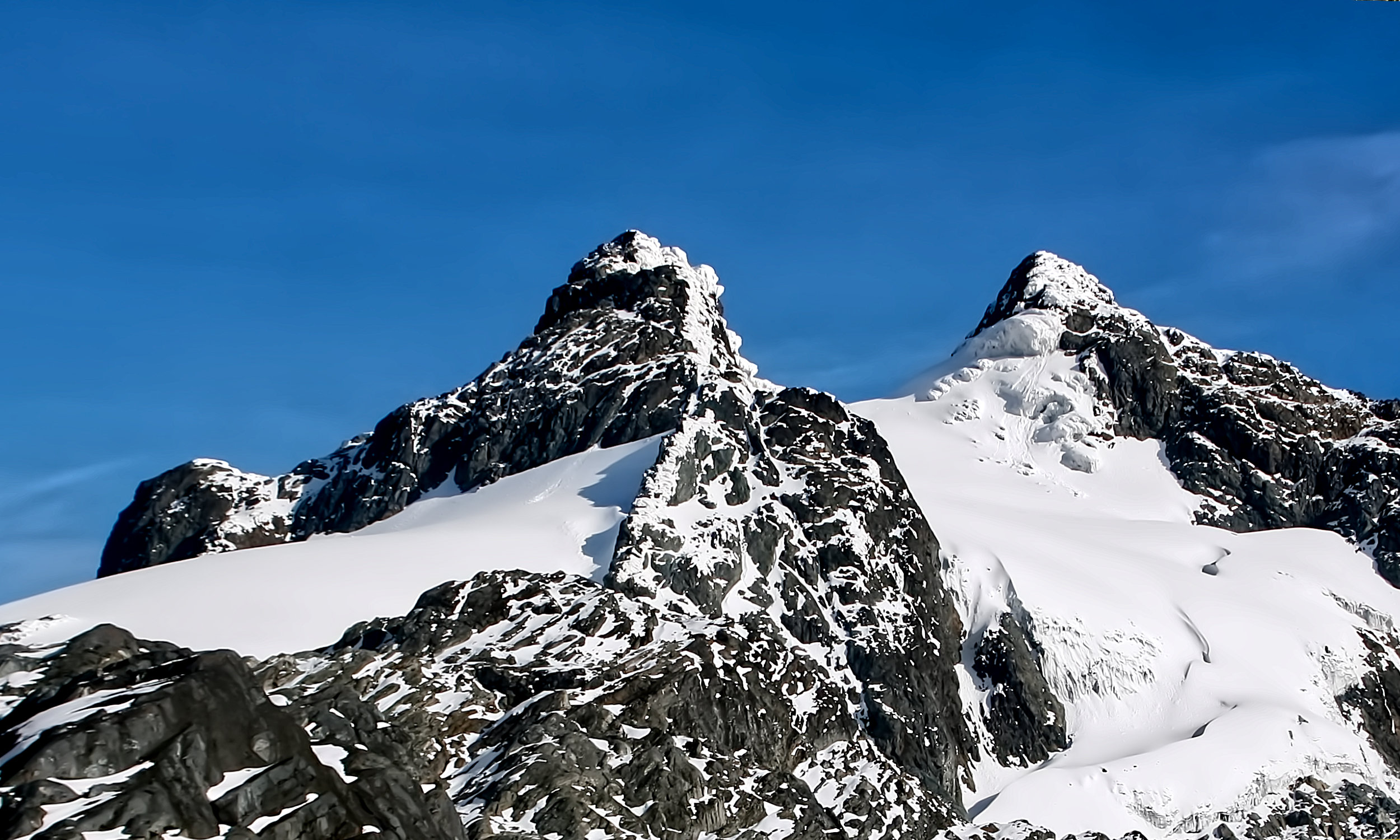
The porter’s headlamp disappears into mist thick enough to slice. You’re climbing through the fourth day of what locals call “the Mountains of the Moon,” where every step upward takes you further from anything resembling normal life. Giant lobelias loom like prehistoric sentinels in your headlamp beam. Somewhere above, glaciers older than human civilization wait to test your resolve.
At 5,109 meters, Margherita Peak offers no mercy – only truth. The air holds half the oxygen your lungs crave, every breath a negotiation with altitude that has humbled stronger climbers than you. But when dawn breaks over glacier fields that stretch across three countries, when you stand where only a handful of humans have ever stood, the mountain reveals why it called you here. Bakonjo guides, descendants of the peak’s first inhabitants, share stories passed down through generations while your expedition dollars fund schools and clinics in valleys below.
Best Time To Go
December-February and June-August for glacier stability and clear weather
Getting There
375km from Kampala to Kasese, 6-hour drive, then 4×4 to trail heads
Nearby Highlights
Queen Elizabeth National Park, Sempaya hot springs, traditional Bakonjo villages
Duration
8-12 days depending on acclimatization schedule and route selection
The Sleeping Giant Awakens
Mount Elgon Trekking – Wagagai Peak
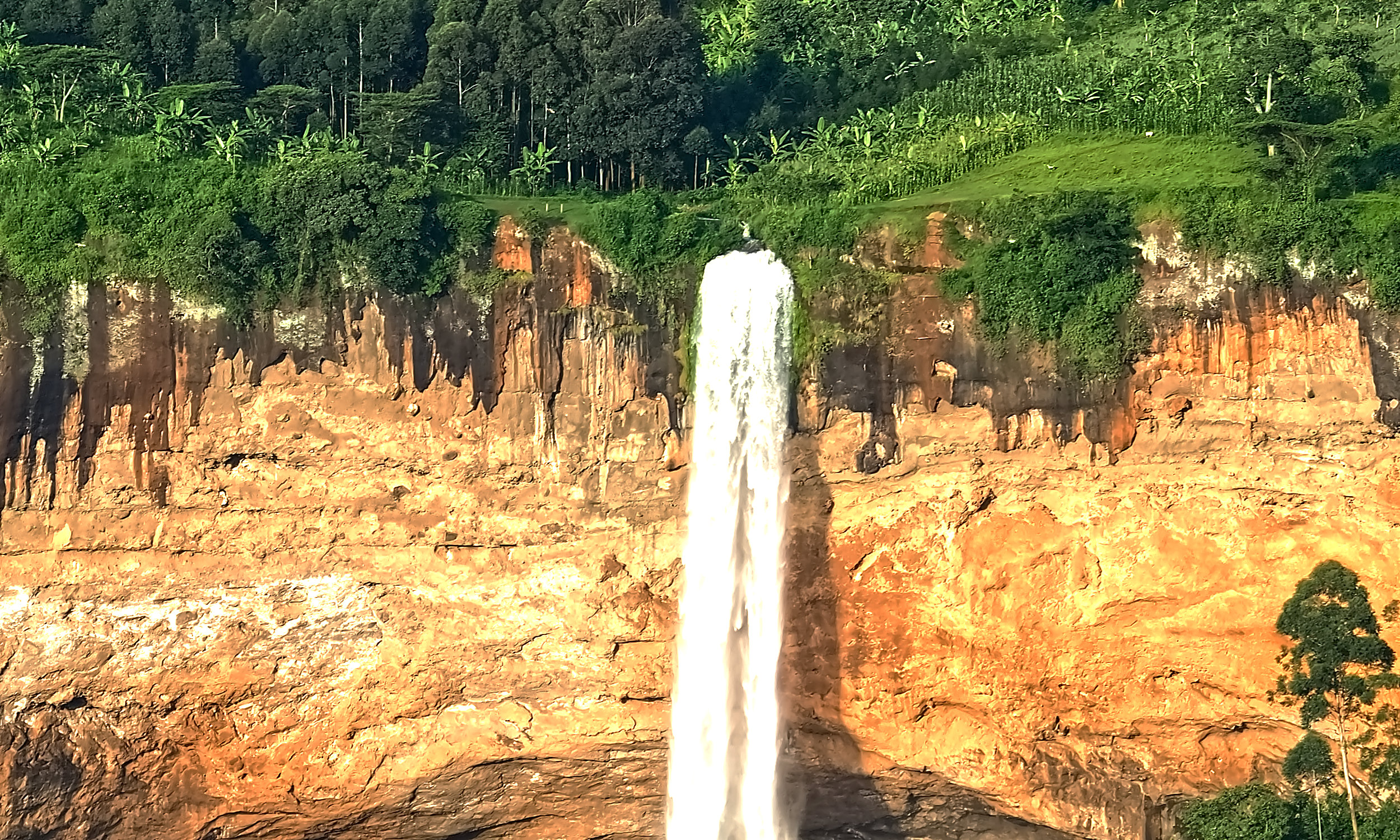
Four million years ago, Mount Elgon was taller than Kilimanjaro. Erosion has worn down its peaks, but not its spirit. The world’s largest volcanic base stretches beneath your boots as you climb through ecosystems that exist nowhere else on Earth. Bamboo forests give way to moorland where giant groundsels grow like something from an alien world. Above treeline, the mountain reveals its secrets – caves large enough to shelter entire communities, waterfalls that plunge into mist-filled valleys, and finally, Wagagai Peak at 4,321 meters.
Your Bagisu guide moves through his ancestral mountain like a man reading familiar scripture. These slopes have witnessed circumcision ceremonies for countless generations, traditional rituals that transformed boys into men long before adventure tourism existed. Now your footsteps fund schools and clinics while preserving traditional knowledge that turns potentially dangerous wilderness into a navigable homeland. When sunrise breaks over the caldera rim, painting Kenya and Uganda in shades of gold, you understand why mountains have always been considered sacred.
Best Time To Go
December-March and June-August for clearest summit views
Getting There
280km from Kampala via Mbale, 5-hour drive to Budadiri trail head
Nearby Highlights
Sipi Falls triple cascade, traditional circumcision caves, Arabica coffee tours
Duration
4-7 days depending on route selection and acclimatization requirements
Monsters Lurk in Paradise
Sport Fishing – Lake Victoria
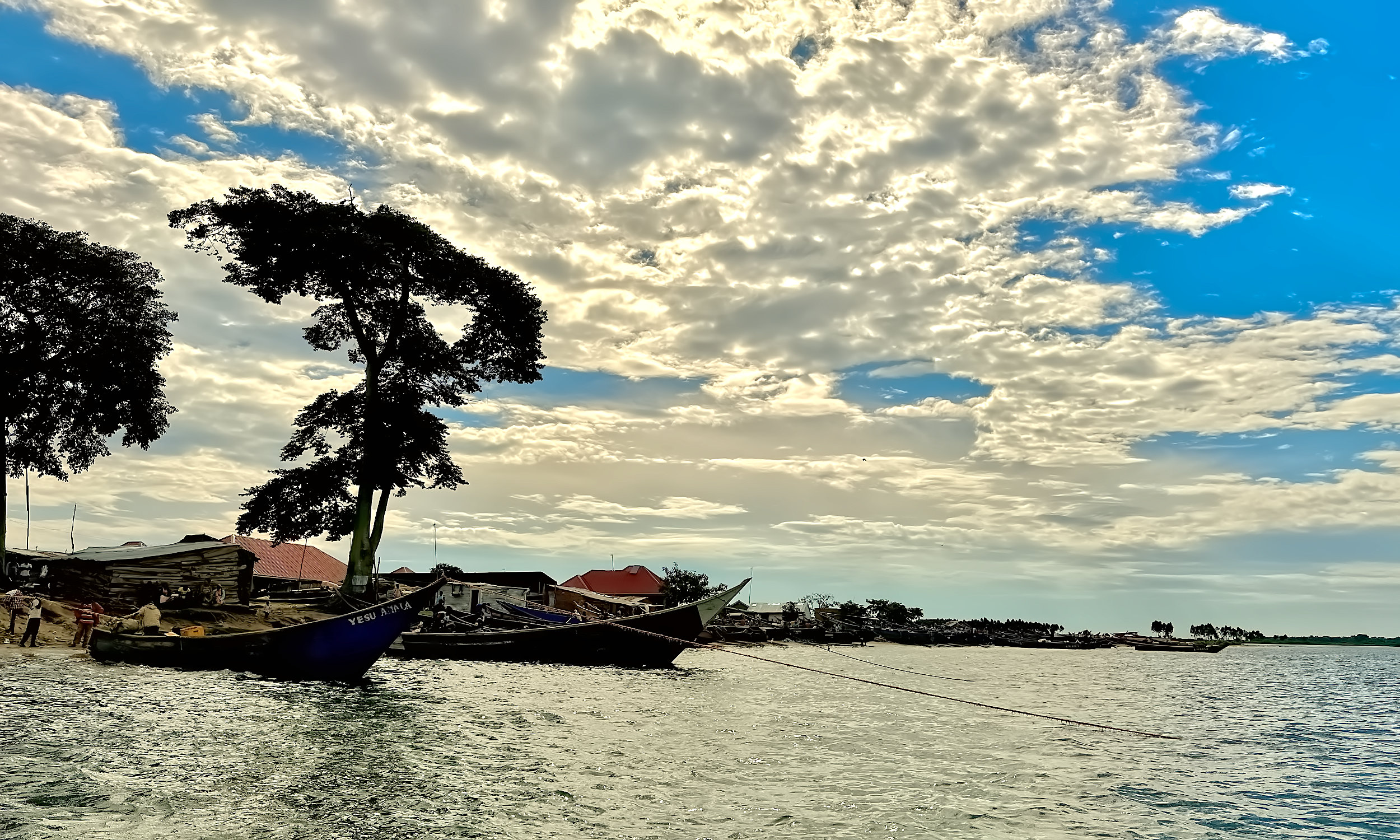
Your line disappears into water deep enough to swallow cathedrals. Somewhere below, Nile perch cruise depths that have remained unchanged since the last ice age – prehistoric giants weighing more than most motorcycles, with jaws that could bite through small trees. Lake Victoria stretches to the horizon like an inland ocean, deceptively peaceful until something from the abyss decides your lure looks like breakfast.
The strike comes without warning – your rod bends double, line screams from the reel, and suddenly you’re locked in combat with a fish older than your grandfather. Local fishing guides, their knowledge passed down through generations who fed entire villages from these waters, coach you through battles that can last hours. Their wooden boats, carved from trees their fathers felled, navigate waters where traditional techniques meet modern sport fishing. Every fish caught and released, every tourism dollar spent, supports lakeside communities whose survival depends on keeping these ancient waters healthy.
Best Time To Go
March-May and September-November for optimal fishing conditions
Getting There
Multiple access points, primary fishing areas 2-3 hours from Kampala by road
Nearby Highlights
Traditional fishing village tours, Ssese Islands exploration, endemic bird species
Duration
Half-day to multi-day fishing expeditions with overnight island camping
Two Wheels, Infinite Possibilities
Mountain Biking – Lake Mburo Wilderness
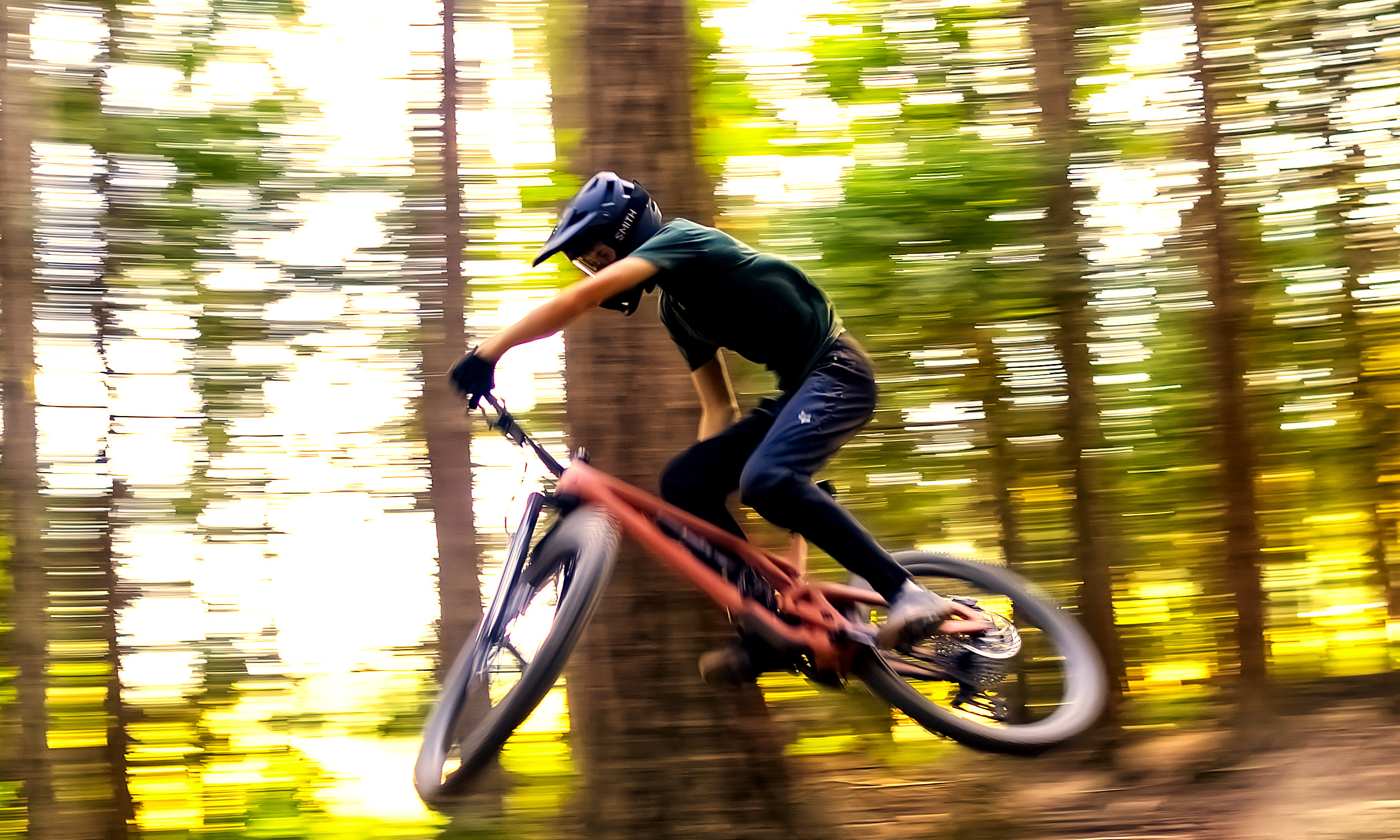
Your mountain bike becomes a safari vehicle as zebras scatter ahead of your approach. Lake Mburo’s rolling hills demand every gear, every ounce of leg strength you possess, while wildlife treats you like just another curious mammal navigating their ancient highways. No engine noise masks the sound of hooves on hardpan earth, no windows separate you from the raw smell of acacia and elephant dung.
Technical single track gives way to open savannah where you can finally shift into high gear, racing alongside antelope who seem amused by your mechanical attempts at their effortless grace. Your local guide maintains traditional knowledge of animal behavior while adding modern mechanical skills that keep you rolling when rocky terrain tries to stop you cold. Tourism dollars from cycling expeditions fund anti-poaching efforts and provide alternative livelihoods for communities who might otherwise compete with wildlife for grazing land.
Best Time To Go
Dry seasons provide optimal trail conditions (June-August, December-February)
Getting There
240km from Kampala via Masaka, park headquarters well-signposted
Nearby Highlights
Boat cruises on Lake Mburo, traditional cattle ranching demonstrations, nocturnal game drives
Duration
Half-day to multi-day expeditions with camping or lodge accommodation
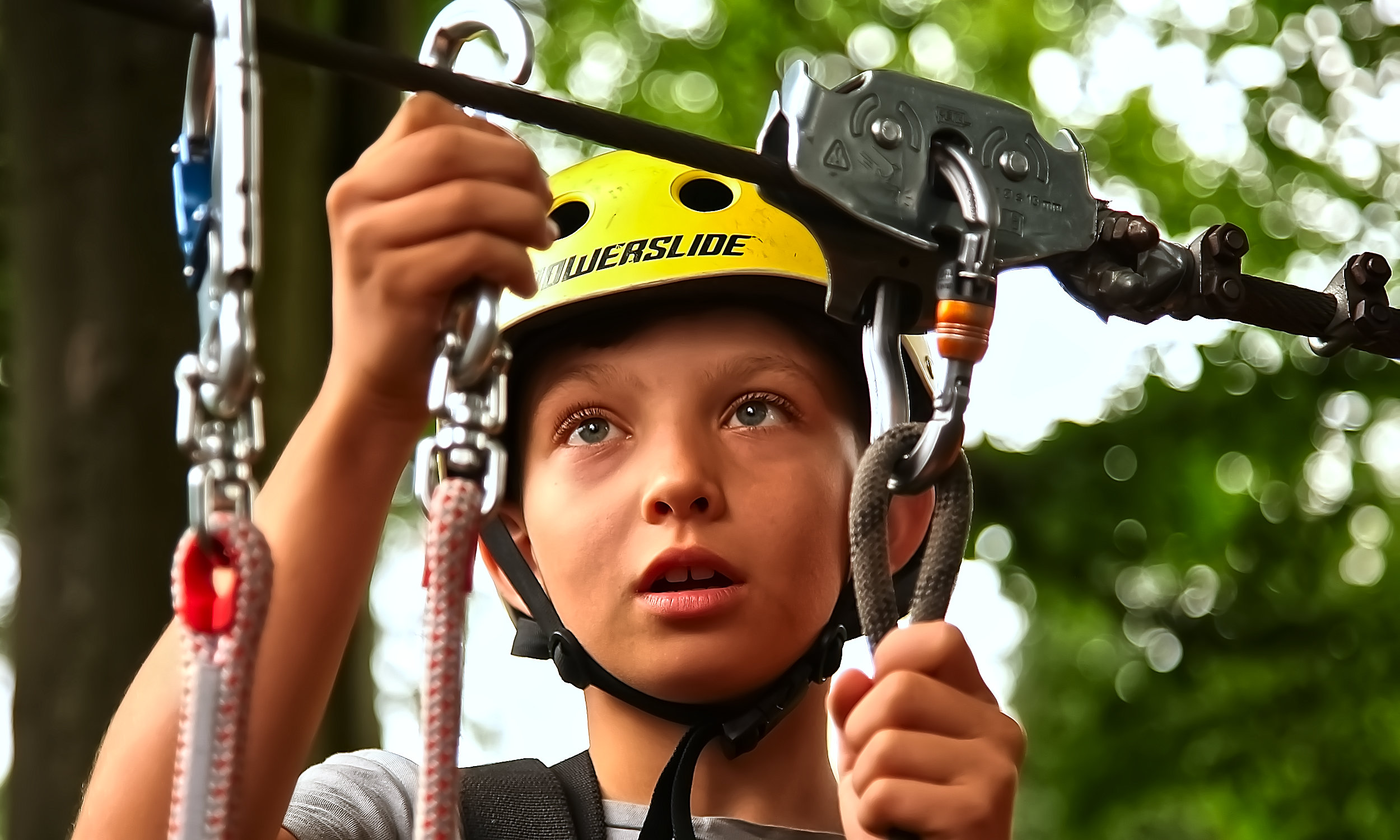
Flying Without Wings
Zip Lining – Mabira Forest Canopy
The steel cable stretches into green infinity as you step off the platform into nothing but faith and physics. Mabira’s ancient canopy rushes past at speeds that blur individual leaves into impressionist paintings of green and gold. Colobus monkeys crash through branches alongside you, apparently racing your mechanical intrusion through their aerial highways.
Each platform reveals new perspectives on forest architecture built over centuries – cathedral spaces where light filters through stained glass leaves, aerial gardens where orchids bloom in tree crowns, hidden streams that babble stories only the trees remember. Your guides, trained by communities who’ve lived forest-edge lives for generations, share knowledge that transforms collections of trees into living libraries. Conservation programs funded by canopy tourism provide alternatives to logging while training local youth as eco-guides rather than charcoal burners.
Best Time To Go
Year-round operation, best visibility during dry season months
Getting There
54km from Kampala via Jinja highway, entrance gate clearly marked from main road
Nearby Highlights
Forest nature walks, traditional medicine plant identification, bird watching hides
Duration
2-3 hours including safety briefing and post-flight forest orientation
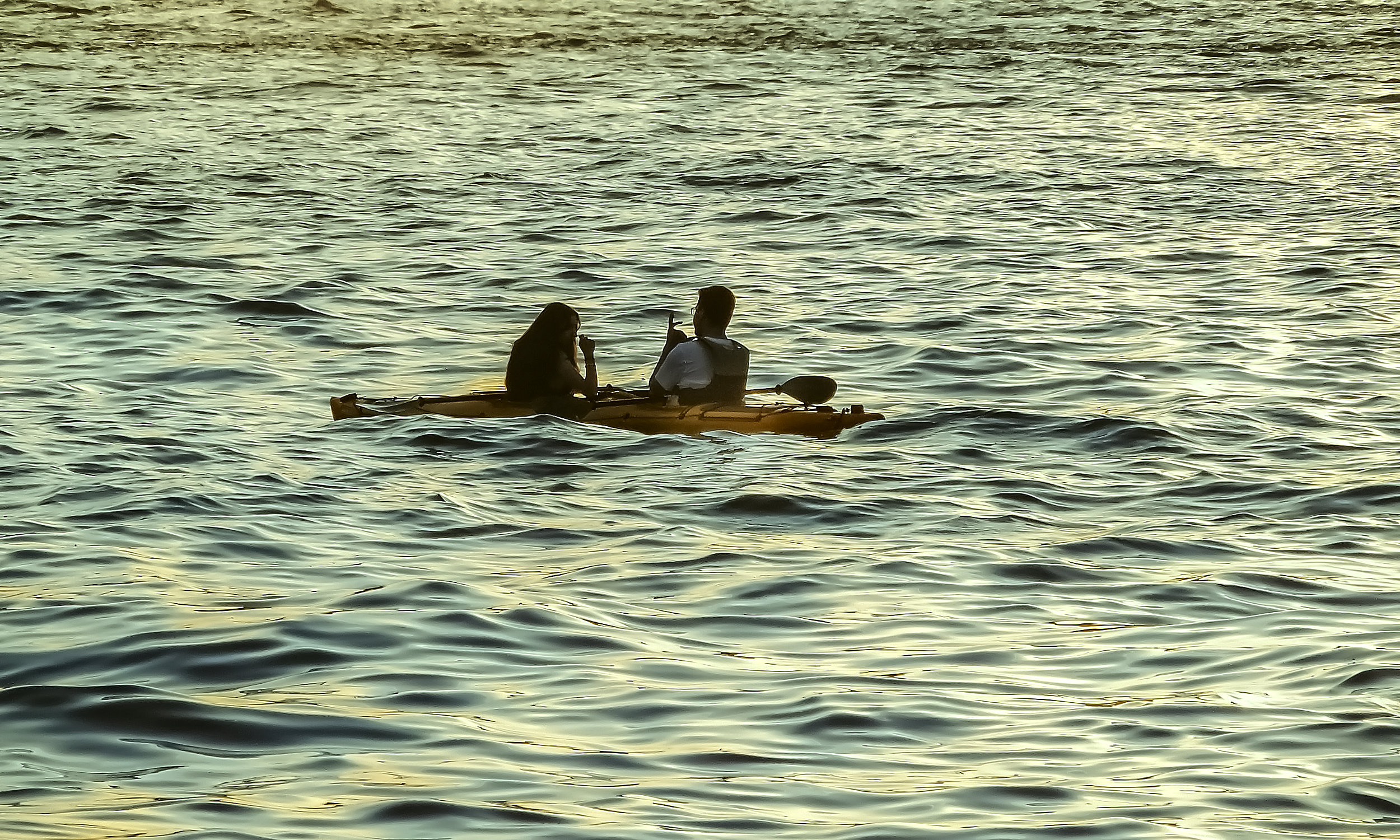
Where Emerald Islands Rise
Kayaking – Lake Bunyonyi’s Hidden Arms
Your paddle slices mirror-perfect water as Lake Bunyonyi reveals why locals call it the “Place of Many Little Birds.” Twenty-nine islands float like scattered emeralds across water so pure you can drink directly from your cupped hands. But this isn’t leisurely lake touring – hidden between peaceful bays, narrow channels demand technical paddling skills while exposing you to landscapes unchanged since the first humans walked these hills.
Traditional dugout canoes share the water with your modern kayak, their occupants casting nets with techniques perfected over generations. Your local guide, descended from fishermen who knew every underwater rock and seasonal current, reads water like familiar scripture while pointing out birds found nowhere else on Earth. Tourism from paddling expeditions funds education programs and provides alternative income for families who might otherwise clear hillsides for subsistence farming that threatens the watershed feeding Africa’s deepest lake.
Best Time To Go
Dry seasons provide calmest water conditions (June-August, December-February)
Getting There
410km from Kampala via Kabale, 7-hour drive through scenic highlands
Nearby Highlights
Traditional weaving cooperatives, terraced hillside agriculture, endemic bird species
Duration
Half-day island exploration to multi-day expedition camping
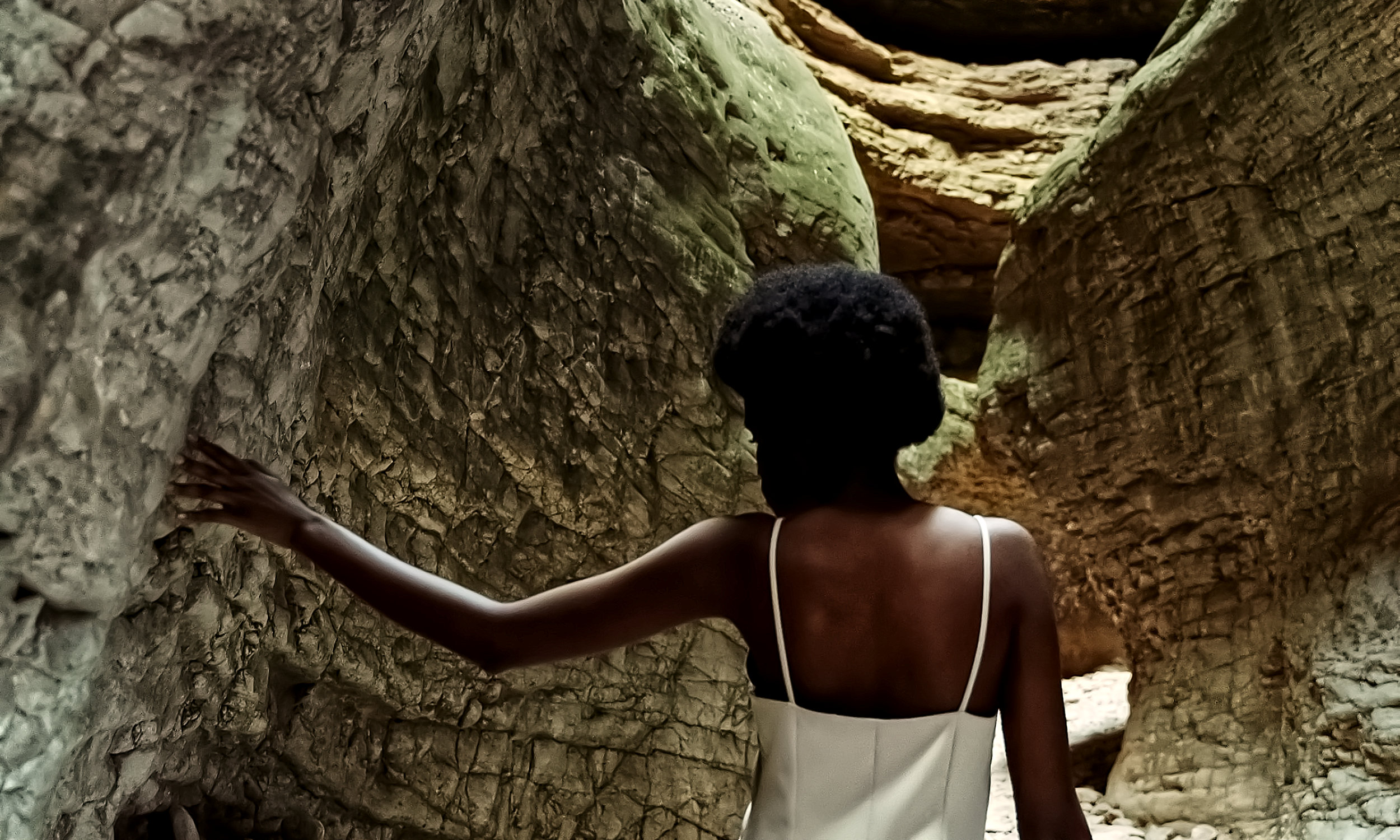
Earth’s Secret Chambers
Cave Exploration – Amabere Ga Nyinamwiru
Your headlamp beam penetrates darkness older than memory as you descend into chambers where stalactites hang like frozen waterfalls. Local legend claims these formations are the breasts of Nyinamwiru, fallen from gods who once walked these hills. Science offers different explanations, but in darkness this complete, ancient stories feel more reliable than geology textbooks.
Water drips with metronomic persistence, each drop adding microscopic layers to formations that have grown for millions of years. Your local guide speaks Rutooro mixed with English, explaining how his grandmother brought offerings to these caves during drought years, how traditional ceremonies still occur in chambers tourists never see. Cave conservation funded by exploration tourism protects both geological wonders and cultural heritage, providing income for communities who serve as guardians of underground treasures their ancestors discovered when these hills were young.
Best Time To Go
Year-round exploration, dry seasons provide easier access roads
Getting There
300km from Kampala via Fort Portal, caves signposted from town center
Nearby Highlights
Fort Portal crater lakes, traditional Toro kingdom cultural sites, tea plantation tours
Duration
2-4 hours including cultural interpretation and traditional storytelling
Adventure in Uganda feels raw and alive. A climb becomes a gift to a child, a river’s roar carries laughter into your bones, and every horizon opens wider than the last. The country leaves you changed – stronger, lighter, and carrying stories too vivid to ever fade.