
heartbeat of uganda
Packing Guide
Climate, Gear & Essential Items for Every Activity
Pack smart, pack light, and get ready for an unforgettable Uganda adventure. From wildlife safaris and jungle treks to waterfalls and local markets, this guide covers all the essentials to keep you comfortable, safe, and ready.
Uganda unfolds before you like a living tapestry: from the emerald mountains where gorillas roam to the vast savannas where elephants wander beneath endless skies. Each landscape whispers different needs, each adventure calls for thoughtful preparation. Pack with purpose, travel with wisdom.
The Art of Choosing Your Travel Companion: The Perfect Bag
Your bag becomes your trusted ally across Uganda’s diverse terrain. Select a rugged, mid-sized backpack or duffel that can weather dust storms and sudden downpours. Aim for 60-70 liters maximum – enough space for essentials without becoming a burden on mountain trails or cramped safari vehicles.
Two bags are enough – one larger main bag for clothes and gear, one small daypack for daily trips.
Look for reinforced zippers, water-resistant fabric, and comfortable straps. Your bag will traverse red earth roads, muddy forest paths, and airport terminals. Choose durability over fashion, function over size.
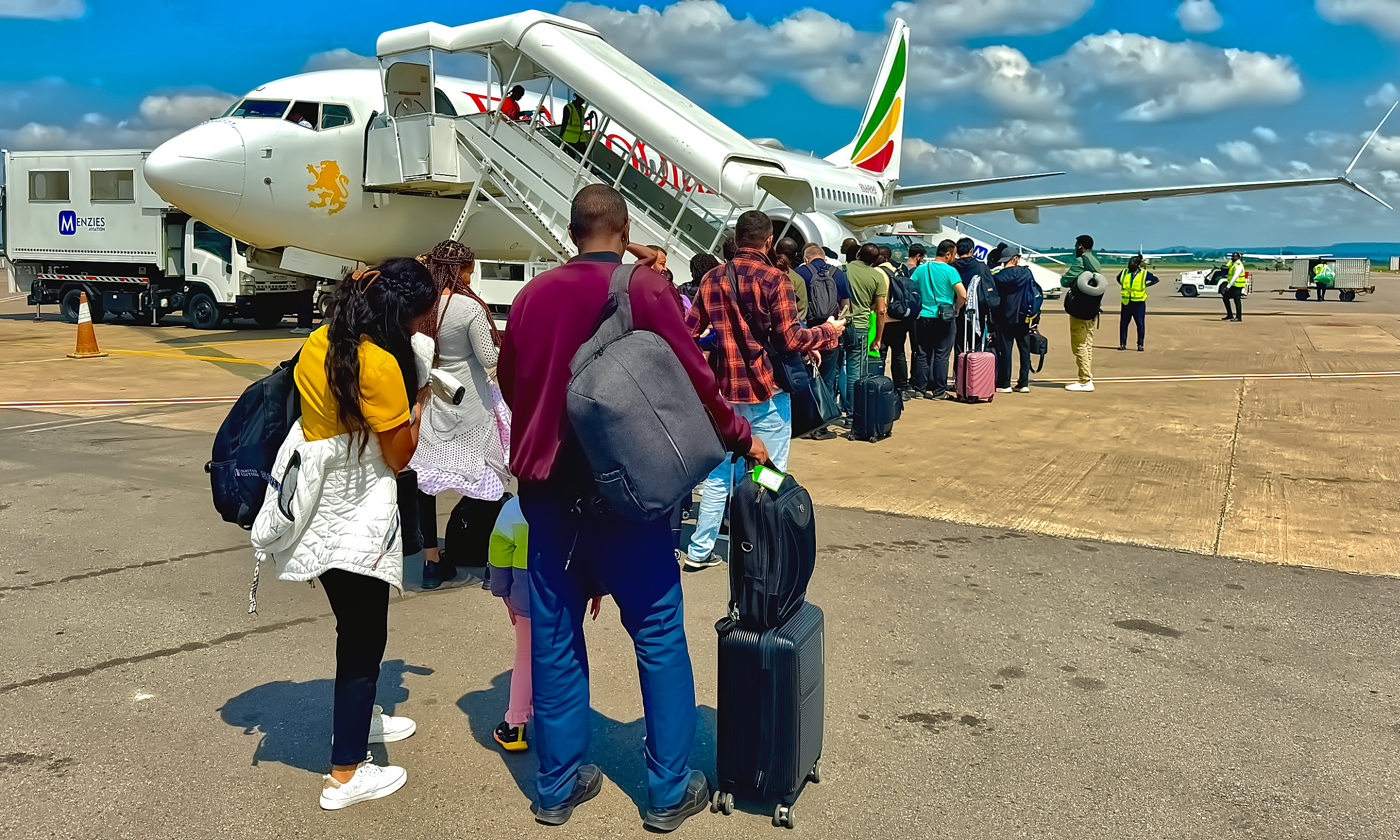
Avoid rolling suitcases – they are hard to drag on dirt roads.
Bag Selection Checklist:
- 60-70 liter rugged backpack or duffel
- 20–30 liter small daypack for everywhere use
- Packing cubes or dry bags to organize and protect gear
Essential Clothing: Dressing for Uganda’s Many Faces
Uganda’s equatorial climate embraces you with warmth year-round, yet evenings can surprise with cool breezes, especially in highland areas. The secret lies in layering: building your wardrobe like nature builds its ecosystems, each piece serving multiple purposes.
Pack lightweight, breathable fabrics that dry quickly and resist wrinkles. Cotton blends work beautifully in this climate. Include a thin midweight layer – a fleece or lightweight jacket – for those crisp mountain mornings and air-conditioned restaurants in Kampala.
Swimming in Lake Victoria or other still waters carries infection risks, but flowing rivers often provide safe refreshment: always ask your guide first. Pack swimwear for these opportunities and lodge pools where treated water ensures safety.
Your rain jacket becomes essential armor against Uganda’s frequent showers. Choose one that breathes while protecting, compact enough to stuff into a daypack at a moment’s notice.
For footwear, bring flip-flops for lodge lounging, sturdy hiking boots for forest adventures, and comfortable walking shoes or sneakers for town and safari drives. Quality sneakers handle Kampala’s streets and safari vehicle steps perfectly. Your feet will thank you for broken-in boots when tracking gorillas through thick undergrowth.
A wide-brimmed hat shields you from the equatorial sun, while quality sunglasses protect your eyes during long safari drives across open plains.
Essential Clothing Checklist:
- 4-5 lightweight, quick-dry t-shirts
- 2-3 long-sleeved shirts (insect protection)
- 2 pairs quick-dry pants
- 1 pair shorts
- Swimwear (for flowing rivers and lodge pools)
- Lightweight fleece or jacket (midweight layer)
- Quality rain jacket and pants
- 7-8 pairs underwear (quick-dry fabric)
- 7-8 pairs socks (hiking and regular)
- Sturdy hiking boots (broken in) – wear on the travel to avoid bulk
- Sneakers or other comfortable walking shoes
- Flip-flops or sandals
- Wide-brimmed hat
- Quality sunglasses
Adventure-Specific Attire
Safari and Wildlife Viewing
Blend with the landscape in earth tones – khaki, olive, brown, and muted greens. Please note that camouflage patterns are reserved for military and police, so it’s best to avoid them and choose simple neutral colors instead. Bright colors startle wildlife and create harsh contrasts in photographs. Long sleeves and pants protect against thorny acacia branches and persistent tsetse flies.
Safari Clothing Checklist:
- Earth-tone clothing (khaki, olive, brown)
- Long pants for game drives
- Long-sleeved shirts
- Comfortable walking shoes or quality sneakers
- Dust mask or buff
Gorilla and Chimpanzee Tracking
The forest demands respect and preparation. Long pants in quick-dry fabric protect legs from stinging nettles and rough vegetation. Long-sleeved shirts shield arms from scratches and insects. Pack thick gardening gloves (the jungle’s thorns are unforgiving). Gaiters keep debris from infiltrating boots during steep climbs.
Gorilla Tracking Gear Checklist:
- Waterproof hiking boots with gaiters
- Thick gardening gloves
- Long pants (preferably convertible)
- Long-sleeved shirts
- Lightweight rain gear
- Walking stick (if not provided)
- Extra socks
Urban Exploration
Ugandans take pride in their appearance and dress smartly whenever possible. In “Uglish” – Uganda’s vibrant English dialect – “smart” means well-groomed, polished, and put-together. Walk through Kampala’s streets and you’ll witness this philosophy in action: men in crisp shirts and pressed trousers paired with polished dress shoes, women in elegant dresses and coordinated accessories. Even in the tropical heat, Ugandans choose style over casual comfort.
While Uganda welcomes visitors’ casual dress, showing respect through thoughtful attire opens doors and hearts. Women should avoid revealing clothing in public spaces, reserving shorter hemlines for evening venues rather than busy streets. Pack a few smart-casual pieces – a collared shirt, neat trousers, and closed-toe shoes – to blend respectfully with local customs and show appreciation for Ugandan culture.
Urban Clothing Checklist:
- 1-2 smart-casual shirts or blouses
- 1 pair neat trousers or modest dress
- Closed-toe dress shoes
- Light cardigan or blazer for restaurants
- Modest evening wear
Mountain Adventures
Rwenzori’s peaks touch snow, demanding warm layers despite Uganda’s tropical reputation. Pack thermal underlayers, insulating midlayers, and waterproof outer shells if scaling these legendary Mountains of the Moon.
Mountain Gear Checklist (Rwenzori only):
- Thermal base layers
- Insulating fleece or down jacket
- Waterproof outer shell
- Warm hat and gloves
- Mountain boots
Electronics and Technology: Staying Connected
Uganda operates on 230-240 volts with Type G outlets, the same three-pin square sockets used in Britain. Bring a quality universal adapter to keep devices powered.
Your camera becomes a crucial companion. Pack extra batteries and memory cards: charging opportunities may be scarce in remote areas. A sturdy tripod helps capture sharp images of distant wildlife, while a long lens brings shy creatures into frame.
Critical Drone Warning: Uganda strictly requires drone registration before arrival. Customs officials actively scan bags for drones and will confiscate unregistered units immediately – no exceptions, no appeals. Complete proper paperwork before departure or leave aerial equipment at home entirely.
For communication, purchase a local SIM card at Entebbe Airport. Data packages offer excellent value, and mobile money services prove invaluable for small purchases throughout your journey.
Electronics Checklist:
- Universal adapter (Type G)
- Unlocked smartphone
- Camera with extra batteries and memory cards
- Phone charger and power bank
- Headlamp or flashlight
- Binoculars
- Tripod (for photography)
Health and Hygiene Essentials
Your first-aid kit serves as insurance against minor mishaps. Include adhesive bandages, antiseptic cream, pain relievers, and anti-diarrheal medication.
Anyone with special medical needs should bring sufficient supplies for the entire trip, keeping all medications in original packaging alongside prescriptions – customs officials appreciate proper documentation.
DEET-based insect repellent becomes your evening ritual, especially crucial in malarial zones. Pack both spray and lotion forms for comprehensive protection.
Uganda’s equatorial sun deceives: while not scorching in temperature, its intensity burns quickly and deeply. Minimum SPF 30 sunscreen protects against these deceptively powerful rays. Choose reef-safe formulations respecting Uganda’s pristine waterways.
Hand sanitizer maintains hygiene when soap and water remain elusive, particularly valuable during market visits and cultural encounters.
Keep toiletries minimal yet effective. Biodegradable soap respects Uganda’s pristine waterways. Quick-dry towels save space and weight while providing superior functionality. Pack unscented products to avoid attracting insects and interfering with wildlife viewing – strong fragrances alert animals to human presence from considerable distances.
Health & Hygiene Checklist:
- First-aid kit with bandages and antiseptic cream
- Pain relievers and anti-diarrheal medication
- All prescription medications (original containers with prescriptions)
- DEET-based insect repellent (spray and lotion)
- Sunscreen (minimum SPF 30, reef-safe)
- Hand sanitizer
- Biodegradable soap and quick-dry towel
- Unscented toiletries
- Reusable water bottle
- Water purification tablets or portable filter
Documentation and Money: Your Financial Lifeline
Uganda beats to a cash rhythm – crisp, clean bills speak the universal language of commerce here. US dollars and Euros exchange seamlessly, with $100 or €100 notes commanding premium rates at forex bureaus. These bureaus flourish everywhere, from every shopping mall to busy street corners, making currency exchange refreshingly simple.
Ensure your bills showcase the latest designs – newer generations fetch better rates while outdated notes might even face rejection. Smaller denominations work for direct payments but prove less favorable for exchange rates.
ATM & Credit Cards: Visa cards reign supreme for both purchases and ATM withdrawals – other networks sometimes fail entirely.
Contact your bank before departure to activate international access, especially for Africa, as many institutions block these transactions by default.
Apple Pay and other tap and pay systems exist in upscale venues, so don’t rely on them.
Expect homestays, and guesthouses to operate purely on cash, often preferring US dollars over local currency. While credit cards gain acceptance in hotels and restaurants, Uganda’s heartbeat remains distinctly analog.
Mobile money through local SIM cards bridges traditional and modern commerce, proving invaluable for small transactions throughout your journey.
In a nation where economic disparities run deep, discretion protects both your safety and your conscience. Visible wealth (expensive jewelry, watches, or electronics) can inadvertently create dangerous situations. The risk extends beyond simple theft; confrontations over valuables can escalate quickly, potentially causing serious harm. Pack modestly, travel humbly, and experience Uganda’s generosity without unnecessary risks.
Documents & Money Checklist:
- Passport (valid 6+ months) with visa documentation
- Yellow Fever Vaccination Certificate
- Travel insurance documents and vaccination certificates
- Copies of important documents (separate from originals)
- Emergency contact information
- USD or EUR in $100/€100 bills (latest generation)
- Visa credit/debit cards (activate international use in Africa beforehand)
- Money belt or hidden wallet
What to Leave Behind
Winter clothing serves no purpose in Uganda’s eternal spring, except for Rwenzori expeditions. Heavy jeans dry slowly and restrict movement during active pursuits. Excessive jewelry attracts unwanted attention and complicates security while creating unnecessary risks in a nation where economic challenges make visible wealth particularly problematic.
Leave expensive watches and unnecessary electronics at home. Uganda’s red dust and sudden downpours show no mercy to delicate items, and replacing them proves both costly and difficult.
Keep it light, keep it smart, and bring only what you’ll actually use. Every extra bag is extra weight to carry, and with Uganda’s rough roads and adventurous routes, you’ll often be hauling your own gear. Pack efficiently, move freely, and you’ll spend less time worrying about luggage – and more time enjoying every moment of your adventure.