
heartbeat of uganda
Dance the rhythm of Africa
Discover the Diversity of Uganda’s Music Scene
From royal drums echoing across ancient kingdoms to Kampala’s basslines pulsing till sunrise, music weaves past and present into a heartbeat that unites, celebrates, and keeps the nation moving: Uganda beats to its own rhythm.
The matatu driver turns up Azawi’s latest track, and suddenly everyone in the shared taxi is swaying to the same beat. This is Uganda – where music flows through daily life like morning coffee, essential and warming.
There’s something magical about discovering a country through its music. It’s like finding a secret door that leads directly into the heart of its people. In Uganda, that door swings wide open, welcoming you into a world where music serves as historian, healer, and harbinger of joy all at once.
Ancient Rhythms, Modern Souls
Before radios existed, drums carried news across Uganda’s kingdoms. The Baganda people crafted massive engoma drums from single tree trunks, each beat carrying specific messages that could be understood miles away. Royal drums announced kings, war drums rallied warriors, ceremonial drums blessed harvests.
In northern Uganda, the Acholi people mastered the adungu, a bow harp that could make ancestors speak through its strings. The Bagisu in the east developed drumming so complex that learning it became a rite of passage – young men spending months mastering rhythms that told their people’s entire history.
Walk into any Kampala recording studio today, and you’ll hear these ancient patterns pulsing underneath contemporary tracks. Fik Fameica’s rapid-fire rap flows over polyrhythms that would make ancestral drummers smile.
The Living Legend
Afrigo Band has been Uganda’s musical heartbeat for over four decades. Formed in the 1970s, they’ve outlasted countless musical trends while remaining the soundtrack to three generations of celebrations. Their shows feel like family reunions – silver-haired veterans commanding stages with songs everyone knows by heart.
They’ve mastered musical storytelling, weaving Congolese rumba, Caribbean reggae, and traditional Ugandan folk into something entirely their own. When they launch into classics at venues like Kampala Serena Hotel, entire crowds become singing, swaying celebrations.
New Voices, Same Soul
Contemporary Uganda pulses with artists who’ve taken traditional musical DNA and spliced it with global influences. Bebe Cool brought reggae consciousness to local rhythms, creating socially aware music that works at intimate gatherings and stadium shows. His international collaborations opened doors for an entire generation of Ugandan artists.
Sheebah Karungi has redefined what it means to be a female artist in East Africa, approaching her career with the strategic thinking of a CEO. Rema Namakula’s sophisticated R&B rivals anything from Nashville, while Cindy Sanyu delivers raw honesty with traditional melodies made urgent and modern. Her live performances are legendary for their spontaneity and emotional intensity, with Cindy often extending songs into impromptu conversations with her audience.
Bobi Wine revolutionized the scene by proving that music could be both entertaining and revolutionary. Before entering politics, he was the undisputed king of Ugandan pop, using his platform to address social issues while keeping dance floors packed.
Azawi represents the digital generation – globally influenced but distinctly Ugandan. Her breakout “Quinamino” became a continental phenomenon. Spice Diana creates pure dance energy, while Fik Fameica has become young Uganda’s voice, switching between English and Luganda in hip-hop that addresses street realities.
Sunday Morning Symphony
Gospel music transforms Uganda each Sunday morning into a symphony of praise. Church choirs create harmonies so rich they add colors to sunrise, combining Western hymnal traditions with call-and-response patterns from traditional Baganda music.
Many secular artists learned their craft in church choirs, mastering harmony and stage presence in religious settings. The gospel influence appears throughout popular music, even in tracks that aren’t explicitly spiritual.
East Africa’s Undisputed Party Capital
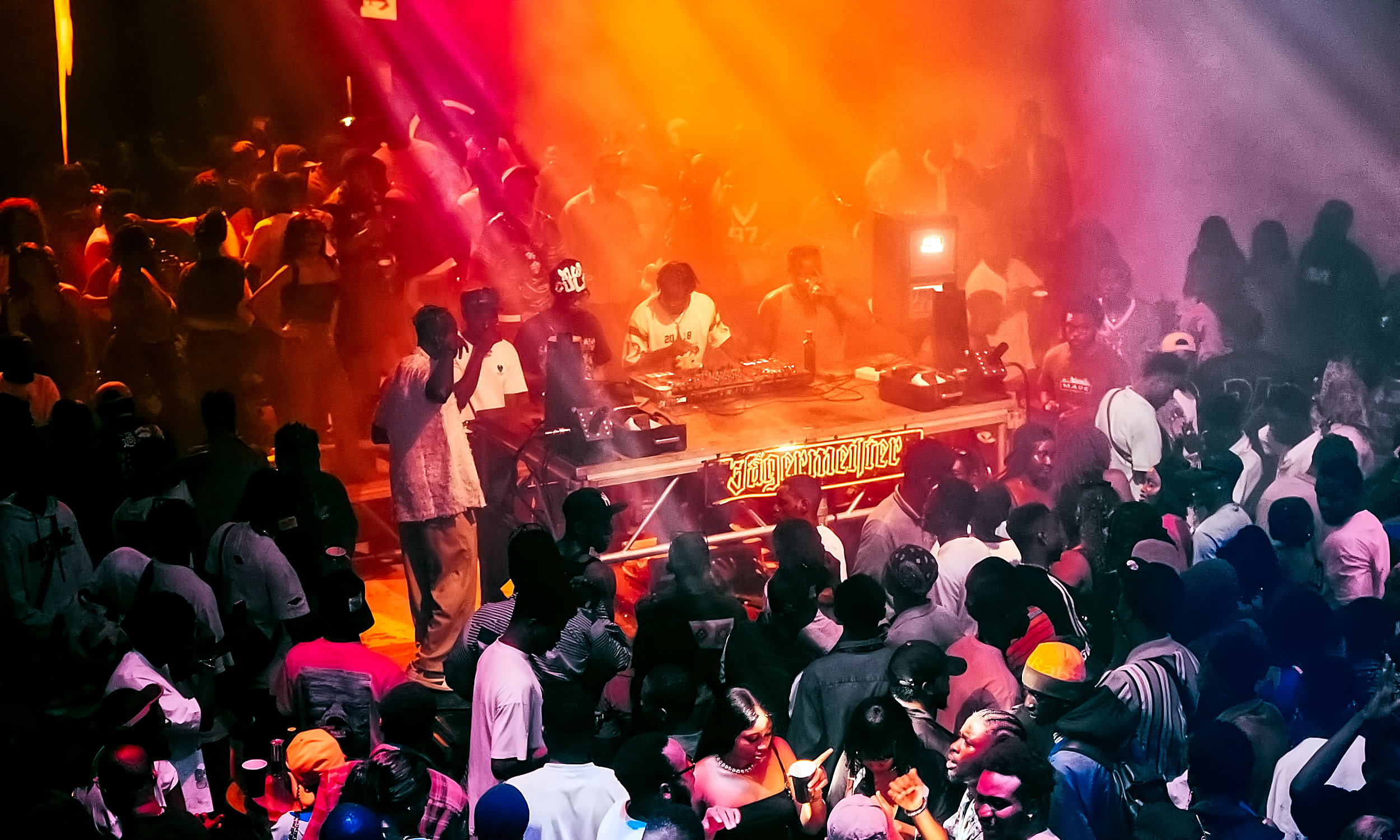
When darkness falls, Kampala dresses up and gets ready. The transformation begins with evening commutes as matatus pump infectious rhythms, building toward a night of musical exploration.
You might begin your evening listening to acoustic performances in a posh lounge, move on for a hip club to dance to the latest Afropop hits, and end the night in a fancy rooftop space where local DJs experiment with electronic music that incorporates traditional Ugandan sounds.
The neighborhoods of Kabalagala, Ntinda, and Kololo pulse with venues that cater to every musical taste imaginable. Club Guvnor remains the flagship of Kampala’s nightlife scene, a multi-level complex where each floor offers different musical experiences.
The Ndere Centre offers regular performances that showcase both traditional and contemporary Ugandan music, creating cultural experiences where music, dance, and storytelling combine into something magical.
Jazz has found its home in hotel lounges and intimate clubs where local musicians demonstrate impressive technical skills while maintaining the warmth and accessibility that characterizes all Ugandan music.
All of these venues attract diverse crowds united by their appreciation for musical excellence, creating spaces where conversations happen through musical exchanges rather than words.
The live music culture extends beyond formal venues. Restaurants compete to book the best acoustic acts, shopping centers host impromptu performances, and street-corner gatherings often evolve into spontaneous concerts.
International acts often choose Kampala for their East African tours, drawn by audiences who participate rather than just observe, making visiting artists feel like they’re performing for friends. Music becomes the backdrop for daily life, but also the main event whenever people gather.
Festival Season
Uganda’s festivals are where the country’s creative heart beats loudest, bringing together people from villages, cities, and across the globe in celebration of sound.
Nyege Nyege has become a phenomenon on the Nile, a gathering that fuses electronic experimentation with Africa’s deep musical roots, drawing adventurous performers and curious travelers to dance from dusk until dawn.
On a different note, Blankets and Wine unfolds in green open spaces, where friends spread out on the grass with food, laughter, and anticipation for the next voice to take the stage. Here, emerging talent meets celebrated names, and the audience becomes part of the story as new songs find their first listeners.
To follow these rhythms is to discover a country alive with surprises, each performance revealing another piece of its spirit.
Come in and dance to the rhythm of Africa
Uganda’s music welcomes without demanding credentials. Whether you discover traditional drums carrying ancient messages, contemporary artists pushing boundaries in Kampala clubs, or gospel harmonies that seem to lift church roofs, you’re experiencing something immediate and real.
Music here creates connections – between strangers in taxis, between past and present, between visitors and locals. It transforms observers into participants, journeys into adventures. The rhythm of Uganda doesn’t just soundtrack your visit; it invites you to join the conversation, to add your voice to a chorus that’s been singing for centuries and shows no signs of stopping.