
heartbeat of uganda
Health & Safety
Vaccinations, Malaria Prevention & Medical Precautions
Traveling to Uganda is an incredible adventure, offering breathtaking landscapes, vibrant cultures, and unforgettable wildlife encounters. However, like any trip to a new region, especially one with a different climate and health risks, proper preparation is essential. Uganda’s tropical climate and unique health landscape require visitors to take certain medical precautions to ensure a safe…
Yellow Fever Vaccination – A Must-Have for Entry
One of the first things you need to do before boarding a flight to Uganda is to get a yellow fever vaccination. This is a mandatory requirement. You will be required to present a yellow fever vaccination certificate in your visa application and upon arrival; without it, you may be denied entry.
Yellow fever is a viral disease transmitted by infected mosquitoes, prevalent in tropical regions. The good news is that the yellow fever vaccine is highly effective and provides lifetime immunity after just one shot. It has minimal side effects and should be administered at least 10 days before travel to ensure immunity kicks in.
How to get it
- Start by checking your country’s list of authorized vaccination centers—these are usually larger hospitals, tropical medicine institutes, or certified travel clinics rather than ordinary doctors’ offices.
- Call ahead or book online, as appointments can fill up quickly, especially in summer travel months.
- Bring your passport with you, since the certificate (often called the “yellow card” or International Certificate of Vaccination) must match your travel document.
- The vaccine is usually given as a single injection, costs between 50–80 EUR depending on the country, and protection is lifelong, so you only need it once.
- If you’re planning other vaccines (like hepatitis A or typhoid), it’s practical to get them at the same appointment.
- After the shot, you’ll be handed your stamped yellow card immediately—keep it safe, because immigration officers in Entebbe might ask for it on arrival.
Malaria Prevention – Don’t Take the Risk
Uganda is a malaria-endemic country, meaning the risk of infection is present year-round. Malaria is a serious disease transmitted by mosquitoes, and it can lead to severe illness or even be fatal if untreated. Fortunately, it’s highly preventable with the right measures:
- Take Anti-Malarial Medication
Consult your doctor to choose the best option based on your health history. Several options exist, including:- Malarone (Atovaquone/Proguanil) – Taken daily, starting one day before travel and continued for seven days after leaving Uganda.
- Doxycycline – Taken daily, starting two days before travel and continued for four weeks after departure.
- Mefloquine (Lariam) – Taken once a week, starting at least two weeks before travel and continued for four weeks after leaving. Recommended only if you stay for a longer time in malaria-endemic countries. Not recommended for those prone to anxiety or depression.
- Use Mosquito Repellent
Apply repellent containing DEET, Picaridin, or Lemon Eucalyptus Oil to exposed skin, especially in the evenings and early mornings. - Sleep Under a Mosquito Net
Ensure your accommodation provides insecticide-treated mosquito nets or bring a portable one. - Wear Protective Clothing
Long sleeves and pants in light colors help reduce mosquito bites.
Travel Health Insurance – Absolutely Essential
Medical treatment in Uganda requires upfront payment before service is provided, even in emergencies.
Healthcare is widely available, ranging from small local clinics to larger hospitals and international health centers in cities like Kampala, Entebbe, and Jinja. While rural areas may have more limited facilities, most towns will have at least a clinic where you can see a doctor.
If you’re paying out of pocket, costs are surprisingly affordable compared to Western standards: a general doctor’s consultation usually costs around UGX 30,000 (about €7–8), while a session with a specialist is typically UGX 50,000 (about €12–13). Most doctors in the bigger hospitals speak English well.
Even though Uganda has competent doctors and nurses, serious cases may require transfer to a regional hub such as Nairobi or even back to your home country.
Without travel health insurance, you may face high medical costs in case of illness or accidents. Ensure your policy covers:
- Medical treatment and hospitalization
- Emergency evacuation (air ambulance services)
- Repatriation in case of serious illness
Hospitals in major cities like Kampala and Entebbe have decent private medical facilities, but outside urban areas, medical services can be limited. Having a solid insurance plan ensures you receive the best possible care if needed.
Drinking Water and Food Safety
Uganda’s warm climate can quickly lead to dehydration, so drinking plenty of water is crucial. However, to avoid waterborne illnesses:
- Only drink bottled or purified water – Avoid tap water.
- Avoid ice cubes unless made from purified water.
- Wash fruits and vegetables or eat those that can be peeled.
- Eat well-cooked food and avoid street food unless you’re sure it’s freshly prepared and hygienic – meaning you have seen the vendor prepare it in front of your eyes
Sun Protection and General Hygiene
Uganda’s equatorial sun can be intense, leading to sunburn, heat exhaustion, or heatstroke. Protect yourself by:
- Applying sunscreen (SPF 30+) regularly.
- Wearing a hat and sunglasses.
- Drinking sufficient water to prevent dehydration.
Additionally, always wash your hands before meals and after touching public surfaces to minimize the risk of infections.
First Aid Kit and Prescription Medications
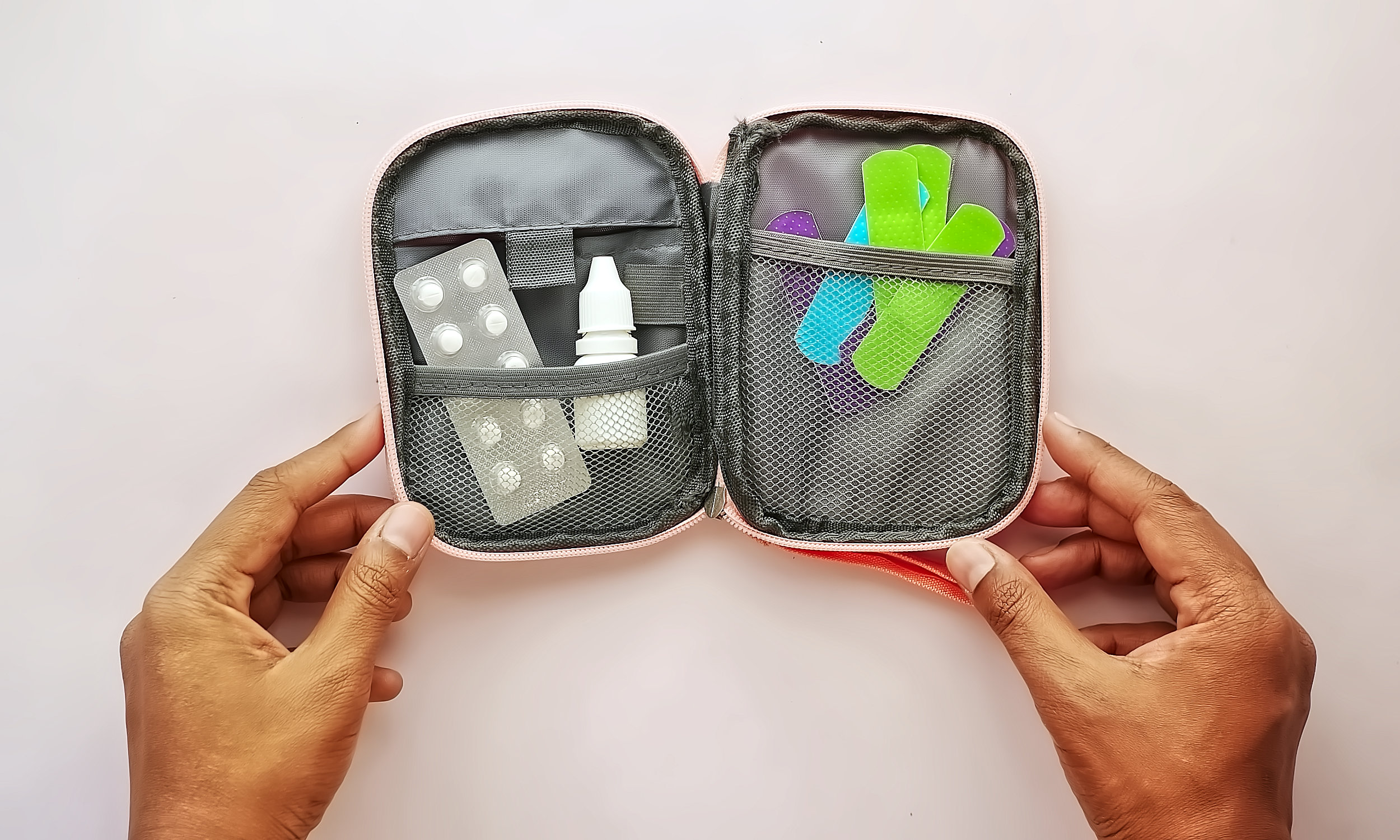
Bring a small travel first aid kit with essentials such as:
- Pain relievers (ibuprofen, paracetamol)
- Anti-diarrheal medication (e.g., Loperamide)
- Antihistamines for allergies
- Bandages and antiseptic wipes
- Personal prescription medications with enough supply for your trip
Safe Sex Practices
If engaging in sexual activity while traveling, always use protection to prevent sexually transmitted infections (STIs) such as HIV/AIDS. Condoms are readily available at pharmacies and supermarkets in major towns.
Uganda is a fantastic destination, but taking proper medical precautions will ensure you enjoy your trip without unnecessary health risks. Get your yellow fever vaccination, take malaria prevention seriously, secure reliable travel insurance, and be mindful of hygiene and hydration. A little preparation goes a long way in ensuring a safe, comfortable, and unforgettable journey.