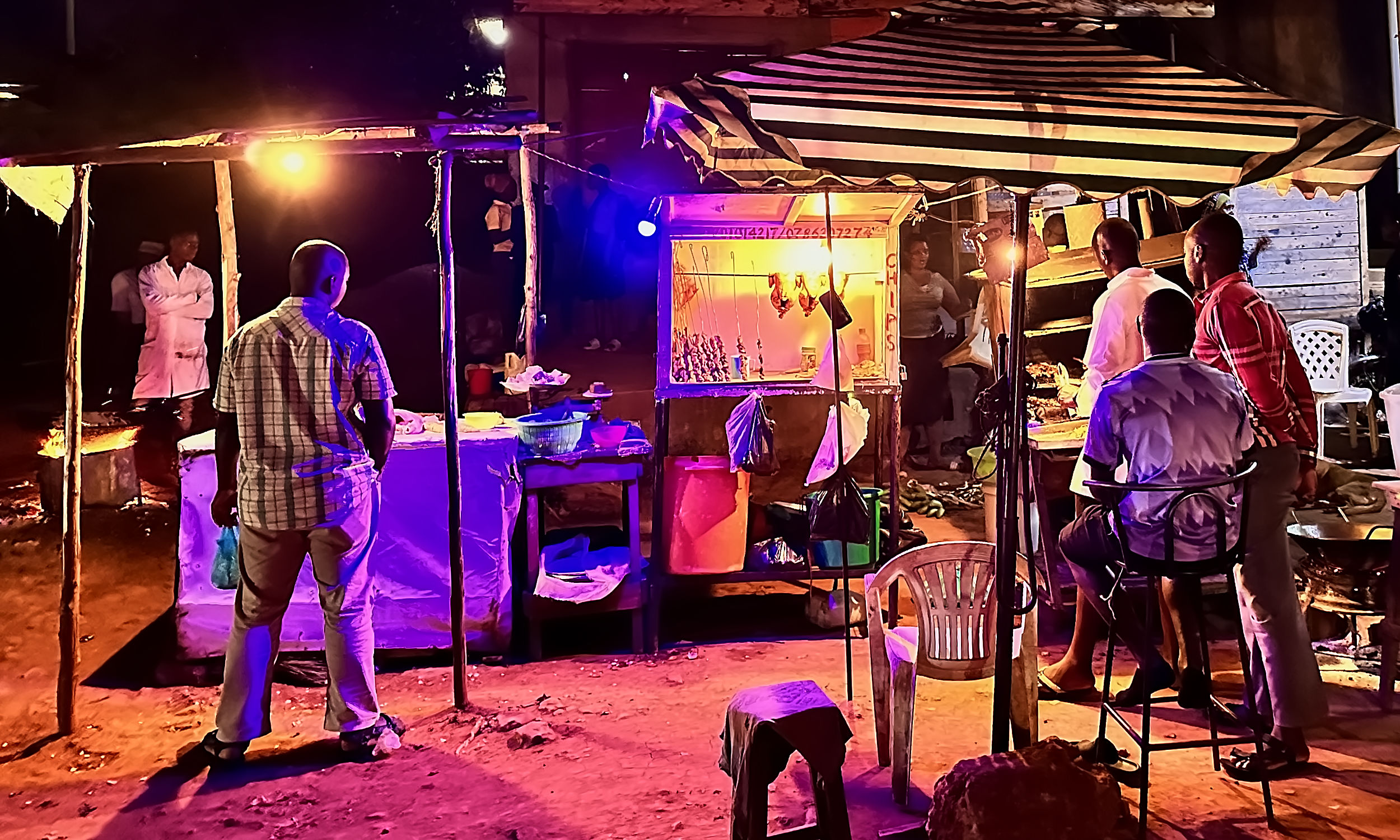

Ugandan cuisine bursts with freshness: market produce, earthy stews, gentle spice, and firewood aromas. Eating well here means more than flavor: choose clean stalls, drink safe water, and follow simple habits to savor every meal with confidence.
Smart Hygiene in Daily Eating
Wash your hands with soap often – before meals, after bustling market stalls, after dusty roads. Keep hand sanitizer in your bag. Uganda’s food scene thrives where cleanliness meets tradition.
Tap water isn’t safe to drink. Stick to bottled water from sealed brands, or boil what you pour from the tap until it bubbles solidly. Many travelers tell stories of never getting sick. A colleague who lived in Kampala for months said: “I ate everything, from street food to restaurant meals, and was fine – just make sure your hands are clean and the meat is cooked.”
Fruit is often tempting at markets – make sure it’s thoroughly washed in clean water or peeled by yourself before eating though.
Safe Street Food, Unsung Heroes
Rolex stalls – chapati rolled around an omelet and veggies – dot nearly every corner in Uganda, and they’re a must-try. The key is to watch the stall operator cook while you wait: if you see the chapati sizzling on the hot griddle, the eggs cracked fresh in front of you, and the roll handed over steaming, that Rolex is both safe and delicious.
The same principle applies to other street favorites. Roast chicken with chips is best enjoyed at a busy stand where the grill runs constantly and the meat is served hot off the fire. Grilled corn, often sold along roadside stops, tastes great when eaten straight from the cob while it’s still piping.
Fresh fruit – pineapple, watermelon, or mango – comes pre-sliced at the roadside, but make sure the vendor cuts it cleanly and preferably in front of you; otherwise, buy whole fruit and peel it yourself.
Boiled peanuts and roasted plantains are filling snacks that are safe when steaming or straight off the grill, but avoid those sitting in the sun for hours.
Iconic Dishes – and What to Watch
Here’s what to try, how to enjoy them, and small things to keep in mind:
Luwombo – Meat, mushrooms, steam-trapped in smoked banana leaves. Tender, fragrant, soulful. You’ll find it served in mid-tier restaurants and homes. Safe and wonderfully traditional
Katogo – Stew of offal or beef with matooke (green bananas). Often served at breakfast. Rich aroma, robust flavor. Ensure it’s piping hot: cooked long and slow makes it safe and satisfying
Firinda – Creamy mashed bean sauce, often with bits of fried meat or fish. Western Uganda staple. A hearty dish, best eaten warm from the cooking pot – or to-go while it’s still steaming
Amalakwang – Hibiscus greens cooked with peanut paste, served with sweet potatoes or rice. Earthy and comforting. Ensure peanuts are fresh, not stale or dusty
Traveler’s Checklist
Hand wash or hand sanitizer
Keeps microbes from hands out of your mouth and meals.
Drink bottled or boiled water
Avoids waterborne illness.
Choose hot, fresh-cooked food
Heat kills most germs.
Watch street cooking happen live
No mystery ingredients or old batches.
Peel or wash your fruit
Stops hidden bacteria or dust.
Skip ice in drinks
unless made from purified water
Ice often comes from unsafe sources.
Pay attention to groundnuts
Roasted can stay safe, but keep an eye on freshness.
When in Doubt…
Opt for mid-tier restaurants or local-loved hotels in Kampala or Entebbe – they usually follow hygienic norms. Ask locals where they eat. A friendly soap-and-water routine and smart choices let you enjoy everything from rolex to luwombo, safely and fully.
Uganda makes food an act of welcome. With small but smart habits, you can safely taste its poetry – hearty, unpretentious, endlessly diverse.