
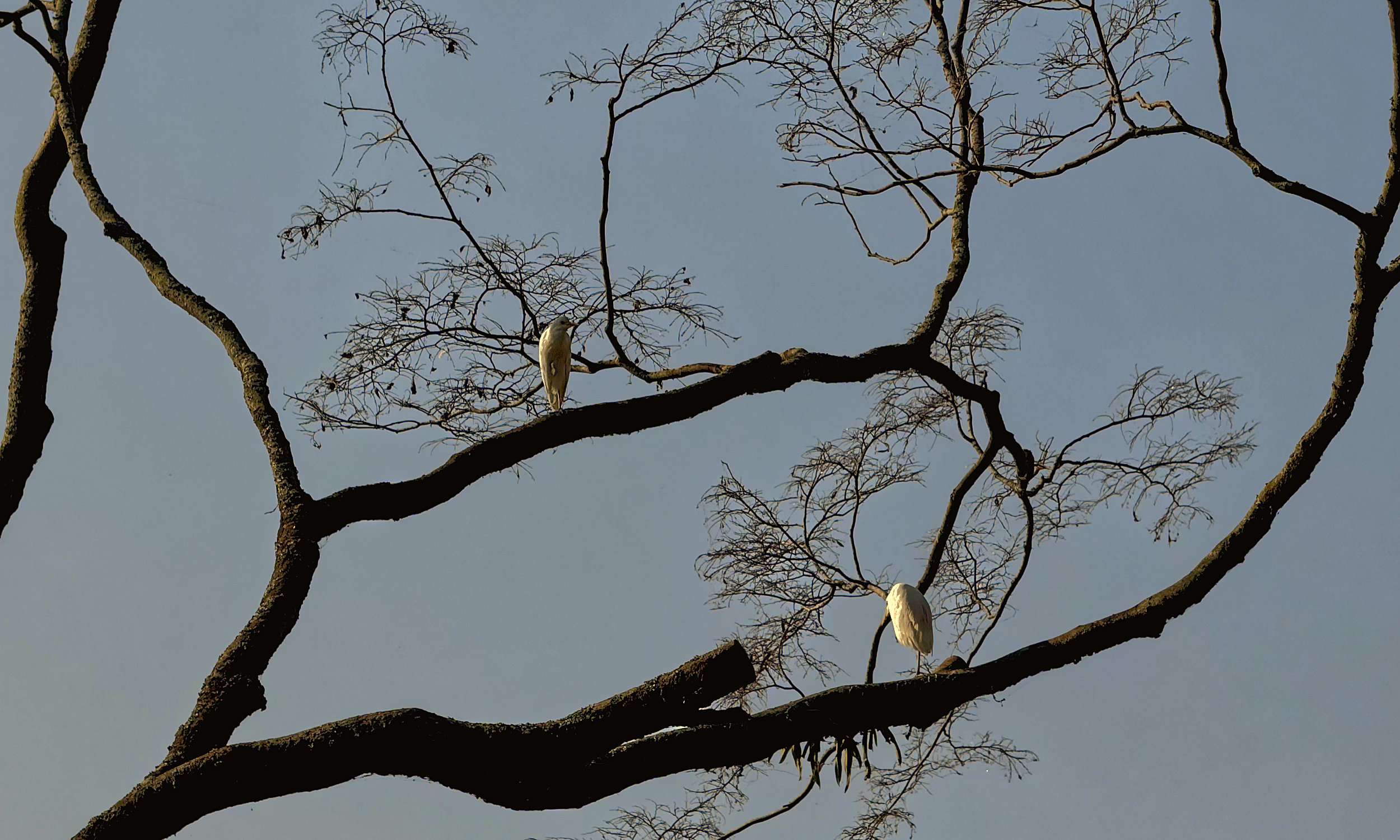
Starting your Ugandan adventure with a visit to the Botanical Gardens is like learning the language of the land before reading its stories in the wild. Understanding the plants, birds, and behaviors here makes spotting them in the wild much richer and more meaningful.
You’ll notice patterns, recognize habitats, and feel connected to the landscapes you visit next. For us, it made every moment on safari more vivid and memorable.
A Century of Growing Beauty: The History of Entebbe Botanical Gardens
Picture this: a century-old sanctuary where towering tropical trees sway gently in the equatorial breeze, where curious monkeys swing playfully overhead, and brilliant birds of every color and call fill the morning air with life. It’s not just a garden – it’s a mini safari, a vibrant celebration of Uganda’s extraordinary biodiversity wrapped in calm, quiet beauty.
The story of the Entebbe Botanical Gardens begins more than a hundred years ago, in 1898, when this stretch of land was chosen as a place to study and protect the wealth of plants native to Uganda and beyond. Set right near the equator, at an altitude of 1,134 meters above sea level, and blessed with generous annual rainfall averaging 1,623 mm, the gardens thrive in a climate that nurtures tropical, subtropical, and even temperate plants.
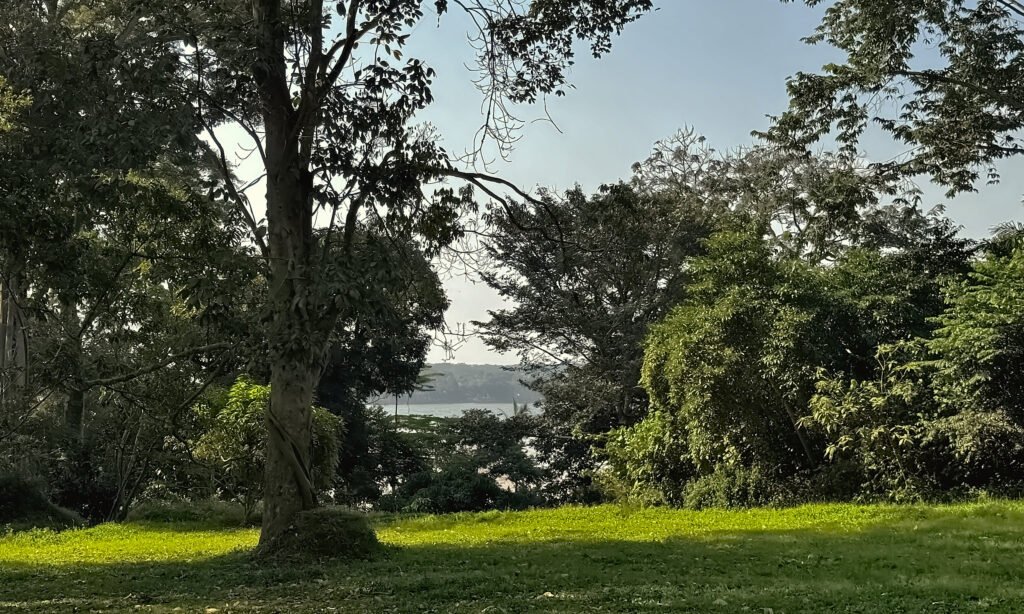
Walking here, you feel the weight of history beneath your feet. These grounds have matured beautifully with age, each tree and shrub a chapter in the garden’s long tale. Today, it spans over 40 hectares, housing a remarkable collection of over 300 plant species. Nearly two-thirds of these are indigenous to Uganda – treasured plants that local communities have used for generations, some with known medicinal properties, others simply breathtaking in their beauty.
Since its rehabilitation in 1998, the gardens welcome around 40,000 visitors a year, but it still feels wonderfully tranquil and off the beaten path. It’s easy to forget you’re just a short drive from Entebbe town and a 45-minute drive from bustling Kampala.
Why you should go to the Botanical Garden
“Loud, fragrant, and full of taste – step straight into the rhythm of Ugandan life”
- Best for: An early morning market adventure, soaking in authentic local culture
- Must try: Taste your way through Nakasero – ask for Luweero pineapple, Masaka passion fruit, and spice up your life with cinnamon bark and other herbs.
- Price range: 2,000–50,000 UGX (€0.50–€10.00)
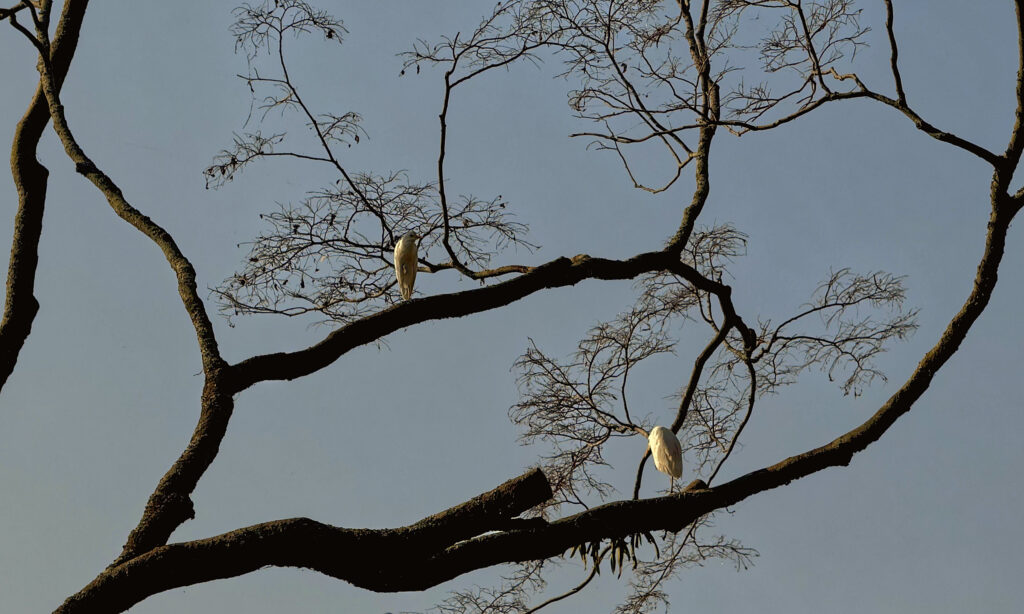
Your Mini Safari Begins: Exploring Habitats, Wildlife, and Wonder
What truly makes the Entebbe Botanical Gardens unforgettable is the diversity and richness of life you encounter here. When you step inside, it feels like a gentle invitation to explore, to slow down, and to listen to the whispers of the wild.
The Forest’s Living Canopy
Our favorite moments often start in the mature tropical forest, where towering trees like Mvule, Mahogany, and fig trees create a cool, shady canopy. Walking beneath their branches, you’re surrounded by the sounds of nature – birdsong, the rustling of leaves, and the occasional chatter of monkeys.
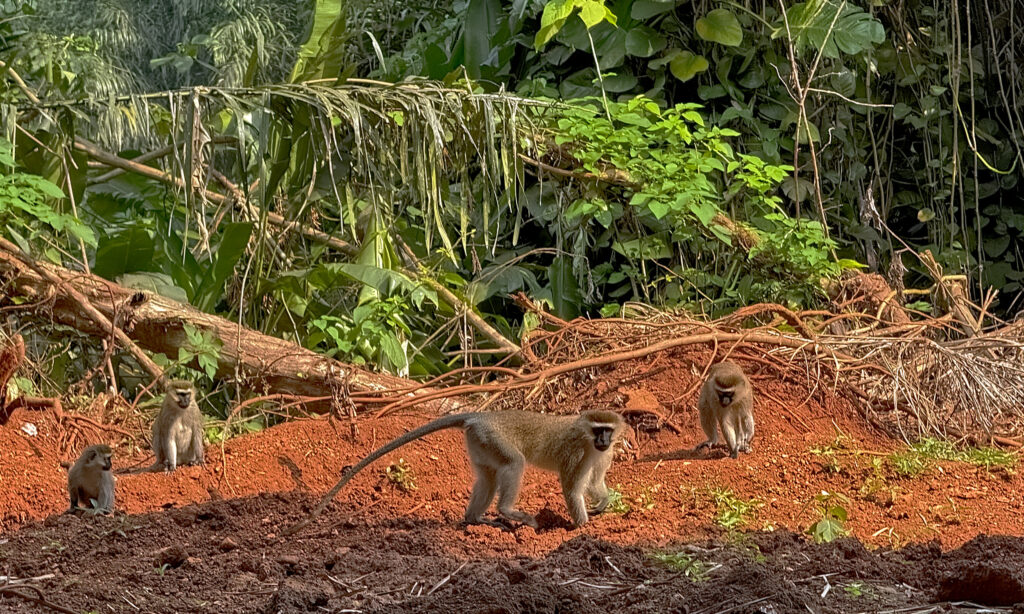
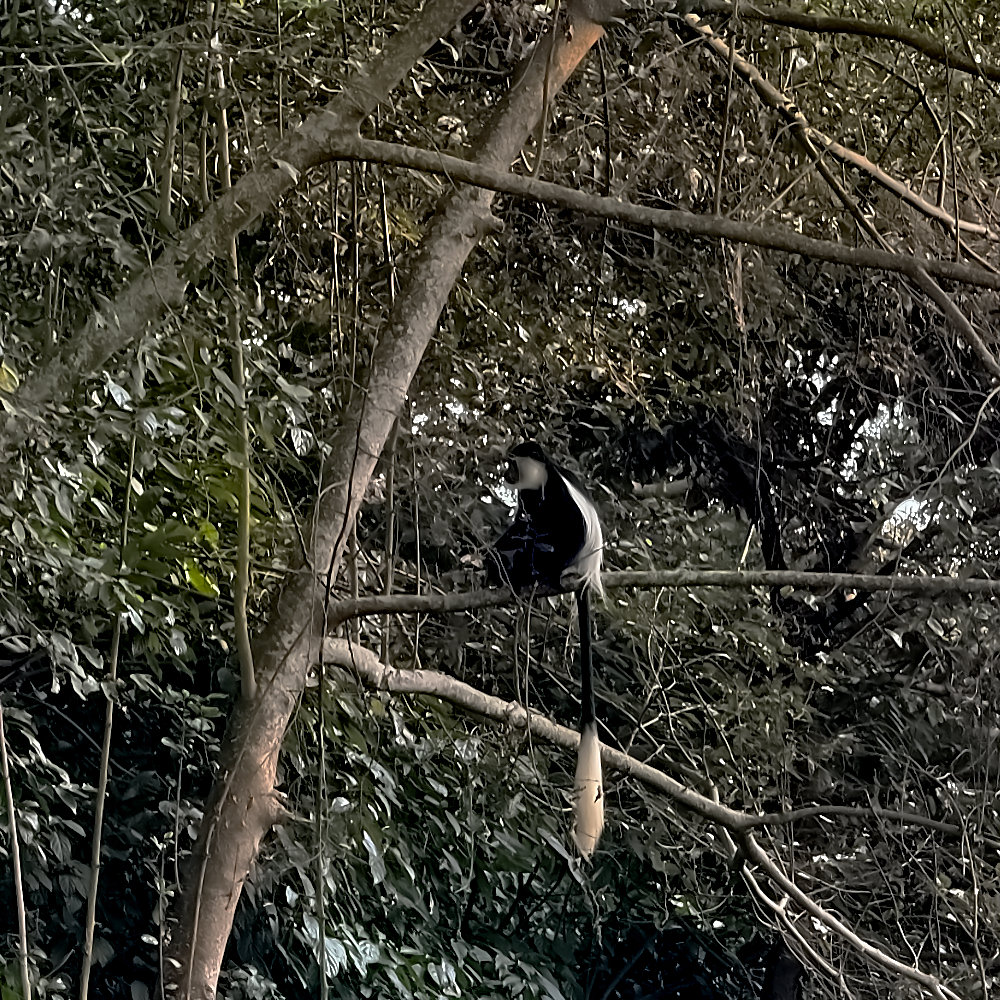
Speaking of monkeys – keep your eyes peeled for the famous black-and-white colobus monkeys. We often find them lounging or swinging through the treetops, their striking fur a beautiful contrast against the greenery. The smaller vervet monkeys are equally entertaining, darting around with playful energy. Watching their antics is a highlight for anyone, especially families with children like ours.
Bird lovers are in for a treat here. The garden is a haven for a spectacular variety of species. From the graceful Palm Nut Vulture and the colorful African Grey Parrot to the shy Bat Hawk that often appears at dusk, the avian diversity is astounding. We often visit in the early morning just to catch the bird chorus – it’s a vibrant symphony that fills the air and invites you to slow down and savor each note.
Even the smaller creatures enchant – butterflies flitting through sunbeams, dragonflies skimming the water, and the occasional glimpse of a shy duiker hidden in the undergrowth.
Lakeshore Serenity and Wetland Wildlife
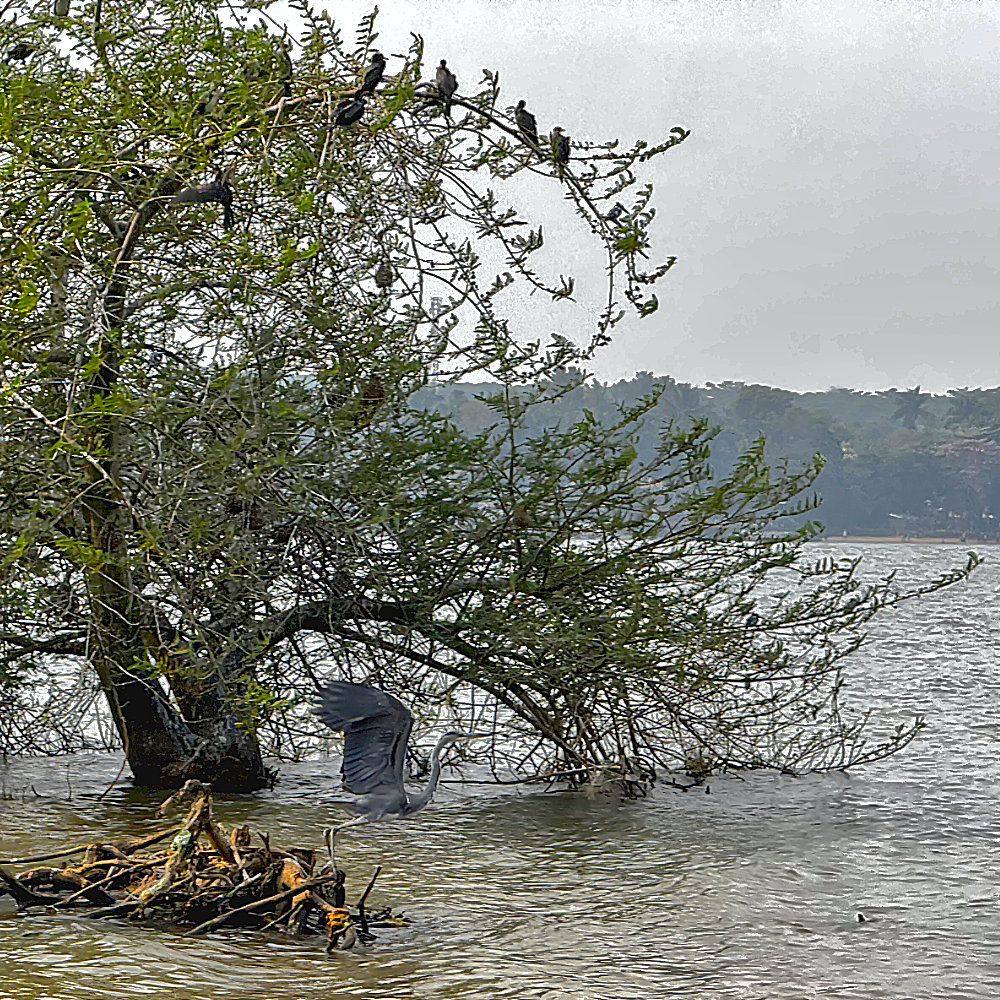
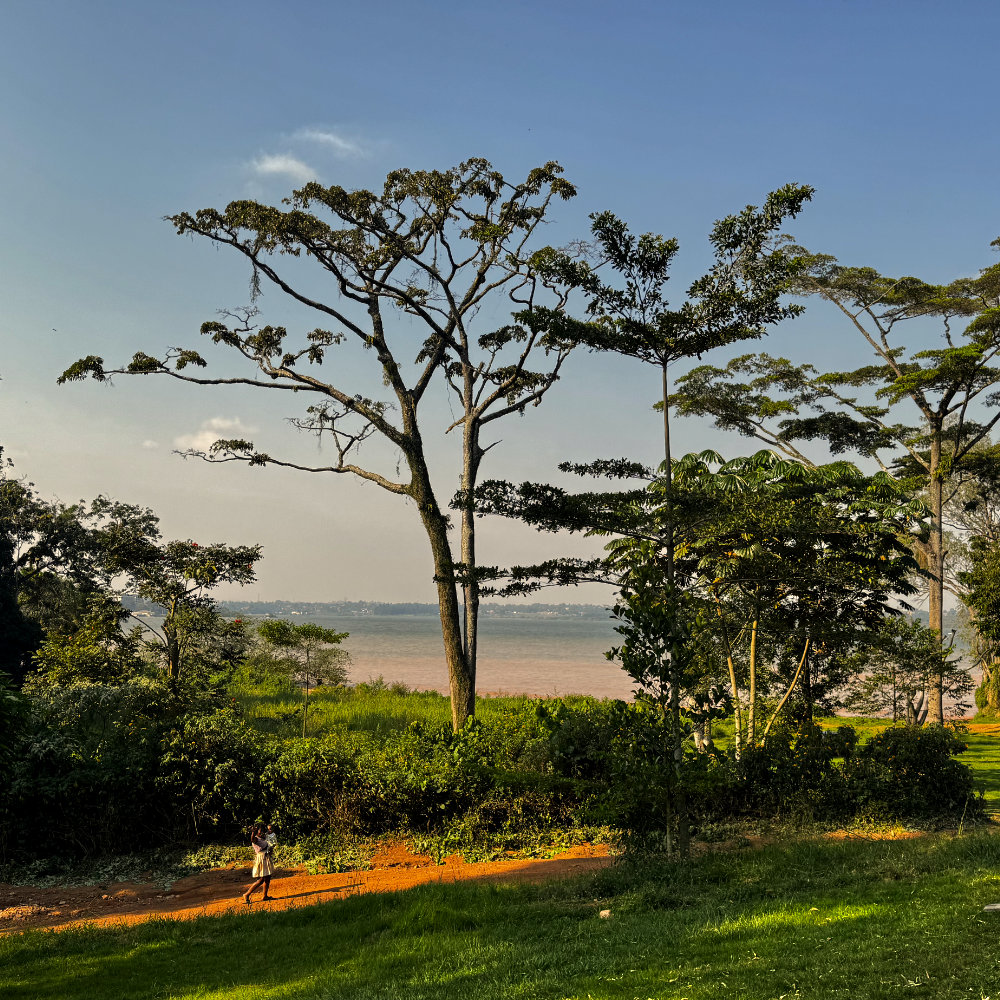
The gardens stretch all the way to the peaceful shores of Lake Victoria, where wetlands, papyrus reeds, and rocky headlands create unique habitats for birds and aquatic life. Sitting by the lakeside, we watch long-tailed cormorants dive gracefully for fish, and the elegant grey-headed gulls soaring above.
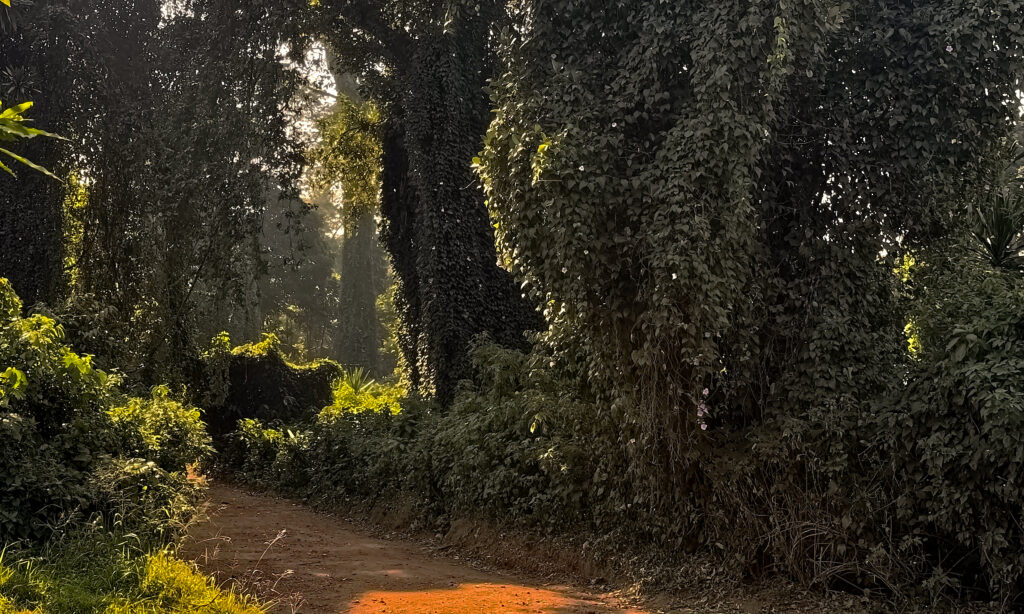
Along the shores, a colorful chorus of weaver birds builds their intricate nests, while kingfishers flash their brilliant colors over the water. The quiet jetty often hosts a few pairs of charming pratincoles, and the lakeside breeze carries the gentle calls of hammerkop and African openbill storks.
It’s a perfect place to pause and reflect, to picnic on the sand, and for baby Taye to run freely while we soak in the beauty of the lake’s shimmering waters.
A Day in the Gardens: Early Bird Magic and Afternoon Tranquility
When you plan your visit, think of the Botanical Gardens as a place to savor slowly. I’ve found that the garden’s magic is best experienced in two parts: early morning and late afternoon.
Morning
Awake with the Birds and Monkeys
Get there early, ideally just as the gates swing open at 7 AM. The air is still cool and crisp, carrying the faint scent of dew on fresh leaves. The gardens slowly stretch awake, greeted by a chorus of birdsong and the playful chatter of monkeys moving through the trees. It’s the perfect time for birdwatching – the birds are lively, darting between branches, singing their morning songs with all the energy of a new day. The forest feels alive with sound, movement, and color.
Take your time – wander the winding dirt roads on foot or roll slowly through in your car. Let the sounds guide you. Bring binoculars and a field guide if you have them – this is one of the very best places in Uganda to start your birding log, or simply enjoy the magic of spotting species like the brilliant Jackson’s golden-backed weaver or the elusive Bat Hawk. Here, every rustle in the leaves might be the start of a little adventure.
Afternoon
Picnic Bliss by the Beach
Later in the afternoon, the garden becomes a place of calm and peace. We like to bring a picnic and settle by the lakeshore, where the gentle waves and soft sand create the perfect playground for the children, digging in the sand, chasing butterflies, or simply marveling at the vast lake.
The simple restaurants near the beach provide affordable, tasty local food if you’d rather not carry your own. Imagine fresh fried tilapia, matoke, and a cold mango juice, all enjoyed with the soft lapping of Lake Victoria’s waves and a gentle tropical breeze.
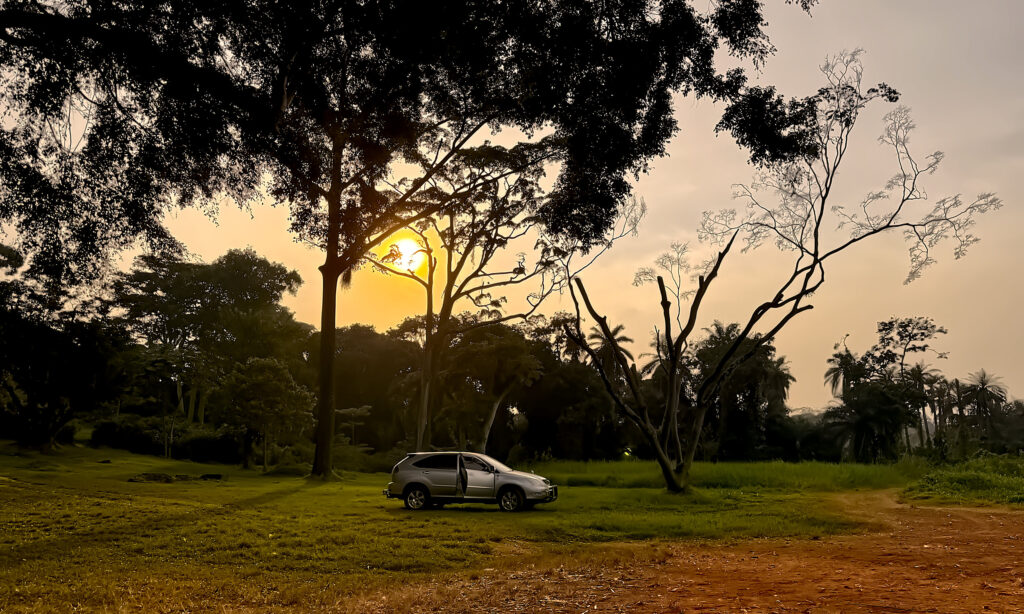
As the sun dips toward the horizon, the sky explodes into breathtaking shades of pink, orange, and purple, reflecting off Lake Victoria’s calm waters. Sitting there, it truly feels like a slice of safari magic, far from the crowds: just you, the lake, and the natural world settling into night.
Getting There and Getting Around: Explore on your own or with a qualified guide of the UWC
The gardens are conveniently located near Entebbe town and close to Victoria Mall, making them easy to reach. If you have your own car, you can drive inside the gardens and explore the dirt roads that wind through the trees and along the lake. This is especially useful if you want to visit quieter corners or if mobility is a concern.
For those who prefer walking, there are plenty of trails to stroll and discover the many wonders on foot. The paths are natural and shaded, perfect for slowing down and savoring the sights and sounds.
While independent exploration is wonderful, one of the best ways to experience the gardens – especially if you’re planning a safari afterward – is to join a guided tour. Trust us, it’s totally worth it.
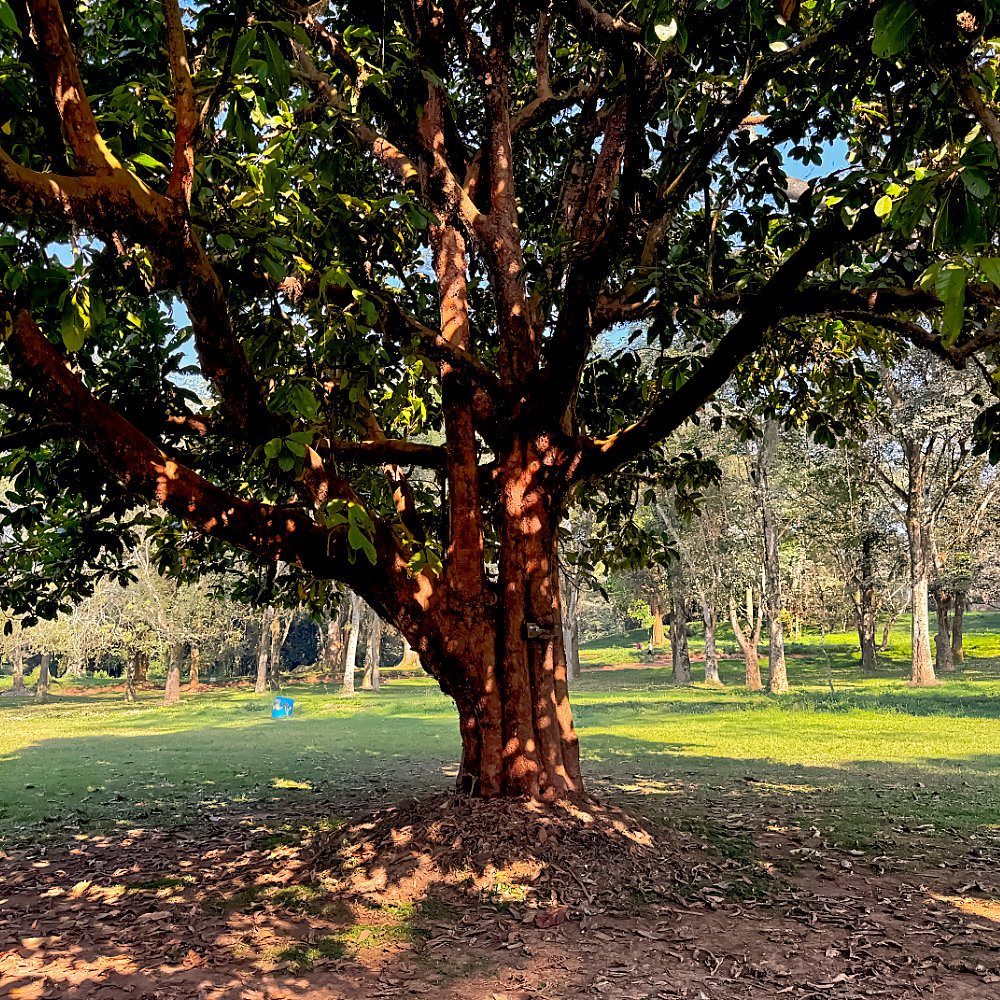
Guided tours bring the garden to life in a new way. Knowledgeable guides share fascinating stories about the plants, explaining which have medicinal uses, which are vital habitats for the resident monkeys, and how different species of birds rely on the forest. You’ll learn to see the garden as an intricate ecosystem where every leaf, flower, and creature plays a role.
For example, you might discover how the bright orange weavers build their nests or why the Bat Hawk is a rare and special sight at dusk. The guides’ insights prepare your eyes to notice details that often go unseen, enriching your appreciation of Uganda’s natural world.
If you’re a birder, having a guide – or at least binoculars and a bird guidebook – will transform your visit. The garden is a top spot to start or add to your birding list, with species like Verreaux’s eagle owl, Jackson’s golden-backed weaver, and many others.
Entrance Fees: Affordable for All
One of the things we appreciate most about the Botanical Gardens is that it’s accessible to everyone, with reasonable entrance fees that help support its upkeep:
- Ugandan national: 5,000 UGX (~1,10 EUR)
- East African Community residents: 10,000 UGX (~2,20 EUR)
- Foreign visitors: 20,000 UGX (~4,80 EUR)
- If you bring your car: 2.000 UGX (~0,45 EUR)
Children under five usually enter free, making it an affordable family outing.

Our Practical Tips for a Perfect Visit
Arrive early
to catch the gardens at their most active and enjoy cooler temperatures.
Bring binoculars and a bird guide
if you have them, to enhance your wildlife spotting.
Wear comfortable shoes
and bring insect repellent – the paths are natural and shaded but can have bugs.
Respect the wildlife
especially the monkeys; don’t feed them and keep a respectful distance.
Consider booking a guided tour
through your hotel, a local tour operator, or at the garden entrance.
Stay for sunset
if you can – it’s one of the most beautiful moments in the garden.
Final Thoughts: A Day to Treasure in Uganda’s Green Heart
For us, the Entebbe Botanical Gardens is way more than a tourist spot – it’s a sanctuary, a classroom, a playground, and a gateway to the wonders of Uganda. Watching baby Taye’s joy as he explores, hearing the birds sing, and feeling the warm breeze off Lake Victoria are moments that ground us in this beautiful country.
This garden offers the perfect balance of discovery and tranquility, wildlife and calm, education and relaxation. Whether you’re an avid birder, a nature lover, or a family looking for a peaceful day out, it invites you to slow down, breathe deeply, and reconnect with the natural world.
Before you head off on your big safari adventure, take time to wander these gardens. Let them prepare your heart and senses for the wild magic that awaits – and take home memories of a day spent in one of Uganda’s most beautiful, living treasures.
National Botanical Gardens, Entebbe
National Botanical Gardens, Entebbe- Uniquely Ugandan4/5A peaceful slice of Uganda’s natural beauty, with tropical trees, monkeys, and vibrant birdlife. It’s a living postcard that captures the country’s charm without feeling manufactured.
- Experience3/5Perfect for a relaxing nature walk or birdwatching in town. Not a high-adrenaline activity, but deeply calming and immersive if you enjoy slow travel.
- Service & Hospitality5/5Friendly gate staff, but minimal interaction beyond entry if you don't book a guide.
- Atmosphere & Setting4/5Lush, green, and alive with birdsong and monkey chatter. But not only: the city can be heard especially in the evenings.
- Location & Accessibility5/5Right in Entebbe, a short drive from the airport or town center. Easy to find, and a great first or last stop in Uganda.
- Authenticity4/5What started as a place for research today is a beautiful park with local flora and fauna to discover.
- Cleanliness & Hygiene3/5Nature is messy in the best way, but facilities like the toilets could use more upkeep. The grounds themselves are tidy.
- Memorability2/5Spotting a rare bird, watching monkeys leap through branches, or feeling the stillness of the early morning – beautiful, but not the big safari experience you will probably have after
- Value for Money4/5At just a few euros for entry, the experience you get is worth far more. Bring a picnic and make a beautiful day after or before travel.




Leave a Reply