
Uganda might not be the first country that comes to mind when you think of travel in Africa—but maybe that’s exactly why you should go. It’s not overrun. It’s not overdeveloped. And it’s absolutely full of surprises. Whether you’re coming for the wildlife, the mountains, the music, or just the joy of discovering something new, Uganda welcomes you. Not with glitz, but with soul.
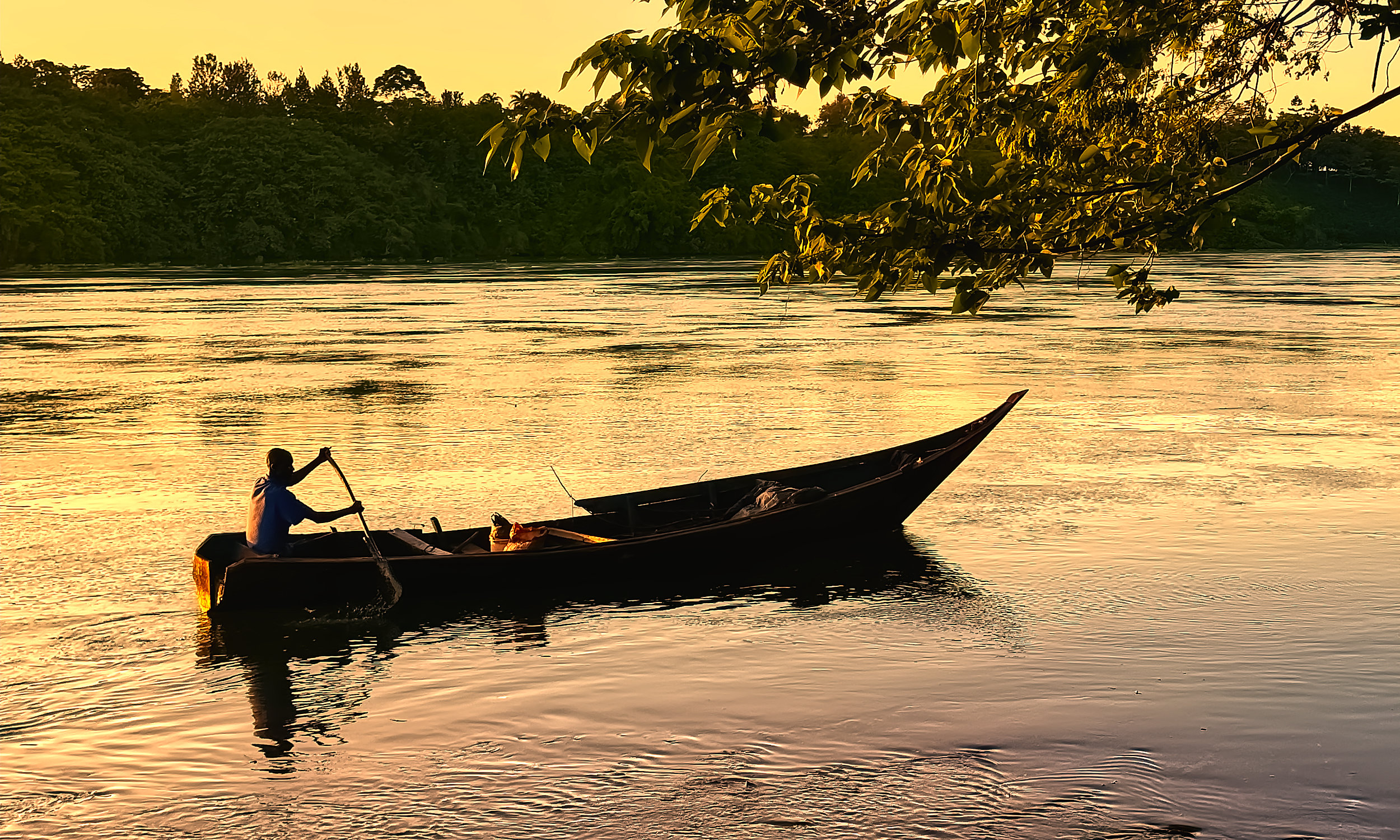
What makes Uganda so compelling isn’t just its scenery or wildlife—though those are spectacular. It’s the way geography and culture come together. The land has shaped the people, and the people have shaped the land. You can feel it in the rhythm of life: the terraced hills of the east where farmers grow coffee; the herders of the north who walk for miles across dry plains; the fishermen on Lake Albert casting nets into golden water at dusk.
Each region has its own climate, cuisine, music, and way of life. And each offers a different kind of journey. You might come to Uganda for gorillas or rafting, but you’ll leave with memories of roadside mangoes, morning fog over banana fields, and conversations with strangers who feel like old friends.
So give yourself time. Don’t rush through. Let Uganda unfold slowly—region by region, story by story. It’s not just one country. It’s many worlds held together by rivers, mountains, and a warm, persistent spirit.
The Name “Uganda”: A Kingdom That Became a Country
Before there was a nation called Uganda, there was a kingdom—Buganda. It was one of several powerful kingdoms in this part of East Africa, and arguably the most dominant when the British arrived in the late 19th century. Buganda’s centralized structure, monarchy, and well-developed system of governance impressed the colonialists, who used it as the foundation for what would become the Uganda Protectorate.
So in a way, Uganda’s name tells a story of power and influence—specifically the influence of the Baganda people and their kingdom, which still exists today as a cultural institution.
But Uganda is much more than Buganda. Bunyoro, Ankole, Toro, and Busoga were kingdoms in their own right. Further north and east, pastoralist and agro-pastoralist communities such as the Acholi, Langi, Iteso, and Karamojong lived in loosely structured societies. Uganda, as a modern nation, is a colonial invention—a political patchwork sewn from vastly different threads. And yet, this patchwork is precisely what makes traveling through Uganda such a fascinating experience. And that land? It’s as diverse as the people.
Uganda’s Geography: At the Heart of Africa
Geographically, Uganda is right in the heart of East Africa—bordered by Kenya to the east, South Sudan to the north, the Democratic Republic of Congo to the west, Rwanda to the southwest, and Tanzania to the south. And it just so happens to sit on the northern shores of Lake Victoria, Africa’s largest lake.
Uganda’s terrain is something special. The country straddles the equator, but don’t let that fool you—this isn’t a hot, dry desert. Elevation plays a huge role in Uganda’s climate, giving it cooler temperatures than you might expect in the tropics. Much of the country sits on a plateau about 1,000 to 1,300 meters above sea level, with mountains rising sharply in the west and east.
The Nile River starts here too. It flows out of Lake Victoria at Jinja and begins its long journey north to the Mediterranean Sea. You could say Uganda is both the heart and the fountain of Africa.
The landscape is dramatically varied. In the east, you’ll find the massive slopes of Mount Elgon. The north opens into flat savannahs stretching toward the South Sudanese border. Central Uganda is a mix of wetlands, forests, and rolling hills, while the west rises into the jagged peaks of the Rwenzori Mountains. The western edge of the country forms part of the Albertine Rift, where Africa’s tectonic plates are slowly pulling apart, creating rift valleys, crater lakes, and hot springs. It’s no wonder that some of the continent’s richest biodiversity is found here.
The Four Main Regions of Uganda
Uganda is officially divided into four main regions: Central, Western, Eastern, and Northern. Each one has its own vibe, its own climate, its own travel highlights. So let’s go on a little road trip through each of them.
1. Central Uganda: The Royal Heartland
Let’s start in the center—both literally and historically. Central Uganda is the heartland of the Buganda Kingdom and home to the capital city, Kampala, a chaotic yet charming city built on hills with views over Lake Victoria. The region is lush, green, and densely populated. Red earth roads wind through banana plantations and villages, where people live in close proximity to the land.
Kampala, Uganda’s bustling capital, is a mix of modern chaos and historical charm. It’s built on seven original hills (now more like 20+), each with its own personality. Kampala itself is a cultural and historical hub. Visit the Kasubi Tombs, a UNESCO World Heritage Site and burial ground of Buganda kings. Stop by the Kabaka’s Palace and see the royal mile, lined with giant sculptures of spears and drums. And don’t miss a sunset over Lake Victoria from Ggaba or Munyonyo.
But Central Uganda isn’t just Kampala. Head to Entebbe, the quiet lakeside town where the international airport is. You’ll find botanical gardens, colonial architecture, and the Uganda Wildlife Education Centre (a low-key but fascinating zoo).
Take a boat to Kalangala on the Ssese Islands for a more laid-back experience, or visit Mabamba Swamp to try and spot the elusive shoebill stork—a prehistoric-looking bird that delights birdwatchers from around the world.
For a taste of rural life, drive out to the rolling hills of Mpigi or the forest trails of Mabira Forest.
Highlights in Central Uganda:
- Kasubi Tombs (UNESCO World Heritage Site)
- Kampala city tour (including Bulange and Kabaka’s Palace)
- Lake Victoria boat trips and beaches
- Ssese Islands – quiet and off-the-grid
- Mabamba Swamp – home of the rare shoebill stork
Use Kampala or Entebbe as your base. It’s easy to get around by boda-boda (motorbike taxi), matatu (shared taxi), or hire a private driver.
2. Western Uganda: Mountains, Gorillas, and Crater Lakes
If Uganda has a region that screams “epic adventure,” it’s the west. This part of the country is a geological wonderland: towering mountains, crater lakes, dense forests, and national parks teeming with wildlife. It’s also home to Uganda’s most iconic tourism draw: the endangered mountain gorilla.
Bwindi Impenetrable Forest, a UNESCO site, is a thick, misty jungle that shelters nearly half of the world’s remaining mountain gorillas. Trekking here is an unforgettable experience. Nearby, Mgahinga Gorilla National Park offers another gorilla tracking option, along with hikes up volcanic peaks that form part of the Virunga Range.
The Rwenzori Mountains, also known as the Mountains of the Moon, rise dramatically between Uganda and the Congo. With snow-capped peaks and glacier-fed rivers, they offer some of the most challenging and scenic trekking in Africa. Queen Elizabeth National Park, just south of the mountains, offers savannah game drives, crater lake exploration, and boat safaris along the Kazinga Channel.
Further south, Lake Bunyonyi, a high-altitude lake dotted with islands, is perfect for a relaxing stay. Fort Portal, a charming town in the foothills of the Rwenzoris, is a great base for exploring the nearby crater lakes, the Amabere Caves, and the Toro Kingdom palace.
Highlights in Western Uganda:
- Gorilla trekking in Bwindi or Mgahinga
- Hiking the Rwenzoris or Mount Muhabura
- Queen Elizabeth National Park safaris
- Lake Bunyonyi island escapes
- Crater lakes and Fort Portal region
Roads can be bumpy, especially during the rainy season. 4×4 recommended. Make sure to book gorilla permits in advance.
3. Eastern Uganda: Waterfalls, Rock Paintings, and a Volcano
Eastern Uganda has a completely different feel: anchored by the massive silhouette of Mount Elgon, an extinct volcano with the largest volcanic base in the world, this region is more laid-back and rural, known for its waterfalls, farmlands, and coffee plantations.
Near the town of Kapchorwa you’ll find the Sipi Falls that plunge over cliffs with views that stretch all the way to the Karamoja plains, in one of Uganda’s most beautiful natural areas. The three cascading falls are surrounded by lush hills, perfect for hiking, abseiling, or simply soaking in the views. This is also the heart of Arabica coffee country, and many local guides offer farm-to-cup tours where you can roast your own beans over an open fire.
Mbale is the largest town in the region and a great base for exploring Mount Elgon National Park, which offers multi-day treks with incredible views. Hiking here is less demanding than the Rwenzoris but no less beautiful, with waterfalls, caves, and giant lobelia plants dotting the landscape. The park is also home to ancient caves, waterfalls, and unique vegetation.
If you’re into ancient history, the Nyero Rock Paintings near Kumi are a must-see. These red ochre drawings are thousands of years old and give a peek into prehistoric life in Uganda.
And don’t miss Jinja, often called the adventure capital of East Africa. This is where the Nile begins, and it’s the perfect place to go white-water rafting, bungee jumping, or zip-lining over the river.
What to see:
- Sipi Falls – hike, abseil, or just chill
- Mount Elgon National Park
- Coffee tours in Kapchorwa
- Source of the Nile in Jinja
- Nyero Rock Paintings
Sipi and Jinja are well-connected and safe. Great for budget travelers and backpackers.
4. Northern Uganda: Wild Frontiers and Cultural Encounters
Northern Uganda has a different feel. It’s flatter, drier, and more open. The landscapes are vast, and the skies seem endless. This region has experienced more than its share of hardship, particularly during the two-decade-long conflict involving the Lord’s Resistance Army. But today, it’s peaceful, welcoming, and full of raw beauty.
It is still relatively undiscovered by tourists, but that’s exactly what makes it special.
Gulu is the north’s largest town and an emerging cultural hub. From here, you can explore the surrounding Acholi region, known for its music, dance, and resilient communities. Further north, you reach Kitgum and the remote Karamoja sub-region, where pastoralist cultures like the Karamojong live in traditional manyattas (homesteads). Here you’ll experience a completely different Uganda—flatter landscapes, dramatic skies, and a pace of life that’s refreshingly slow. Karamoja, once isolated and misunderstood, is slowly becoming a destination for cultural tourism and hiking.
The Murchison Falls National Park lies partly in the north and is one of Uganda’s best safari destinations. Here, the Nile is forced through a narrow 7-meter gap and crashes down a 43-meter drop, creating one of the most powerful waterfalls on the continent. The park is also teeming with wildlife—elephants, giraffes, buffaloes, and lions roam its savannahs.
Kidepo Valley National Park, near the border with South Sudan, is the real frontier. It’s remote, wild, and absolutely stunning—think golden grasslands, jagged mountains, and herds of animals that haven’t learned to be camera shy yet. Not many make it out this far, but those who do say it’s the best safari park in Africa.
What to see:
- Murchison Falls – boat and game drive combo
- Gulu town and Acholi culture
- Cultural tourism in Karamoja
- Kidepo Valley – Uganda’s hidden safari gem
- Aruu Falls and northern highlands
Consider flying to Kidepo to save time. Gulu has decent accommodation and is a great stopover on the way north.
A Country of Contrasts
Each region has its own climate, cuisine, music, and way of life. And each offers a different kind of journey.
What makes Uganda so special is how diverse its lands and cultures are. You can go from tracking gorillas in misty forests to rafting on tropical rivers to hiking volcanic peaks and ending your day on a lake island, all in one trip. It’s a country where your journey can shift from high-energy to soul-searching in the span of a few hours.
And through all this – whether you’re in the busy streets of Kampala or a quiet village in Karamoja – you’ll find people who are curious, open, and eager to connect. Uganda’s nickname is “The Pearl of Africa,” and while it’s a phrase that came from Winston Churchill over a century ago, it still fits. But today, the pearl isn’t just about nature—it’s about people, culture, and unexpected conversations.



Leave a Reply